
Porsche unveils 911 GT3 S/C with manual and open roof
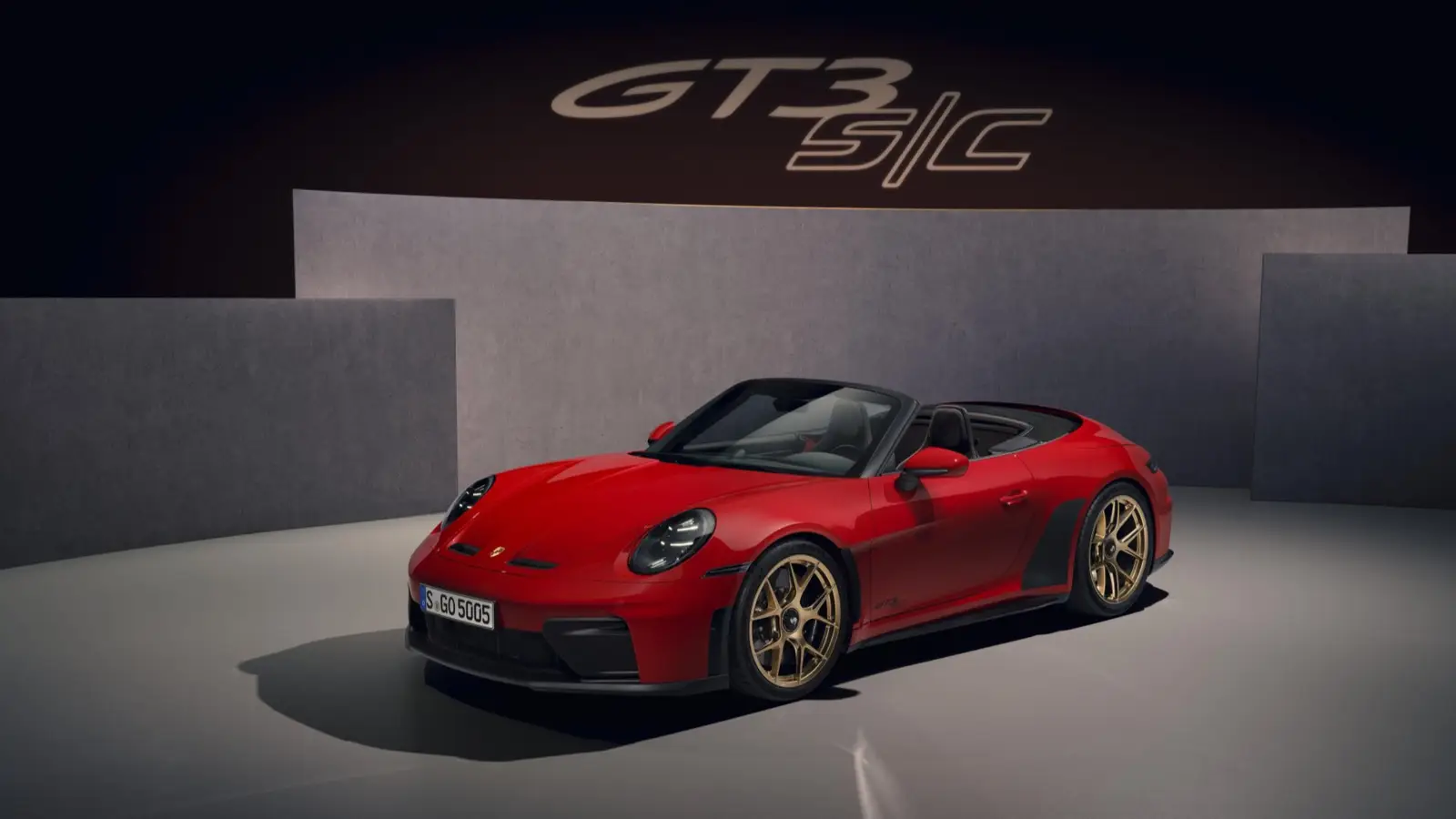
Porsche introduces the 911 GT3 S/C, combining a naturally aspirated engine, manual transmission and open-top design. Learn how it compares to Speedster models.
Porsche has introduced the first 911 GT3 with a fully automatic convertible roof while preserving the core philosophy of its most driver-focused models. The new 911 GT3 S/C is not just another cabriolet, but a true driver’s car without compromises.
At the center of the concept is a naturally aspirated 4.0-litre flat-six engine, revving up to 9,000 rpm and producing 510 PS. It is paired exclusively with a six-speed manual gearbox. There are no turbochargers and no dual-clutch transmission — a deliberate choice that places driving engagement above outright efficiency.
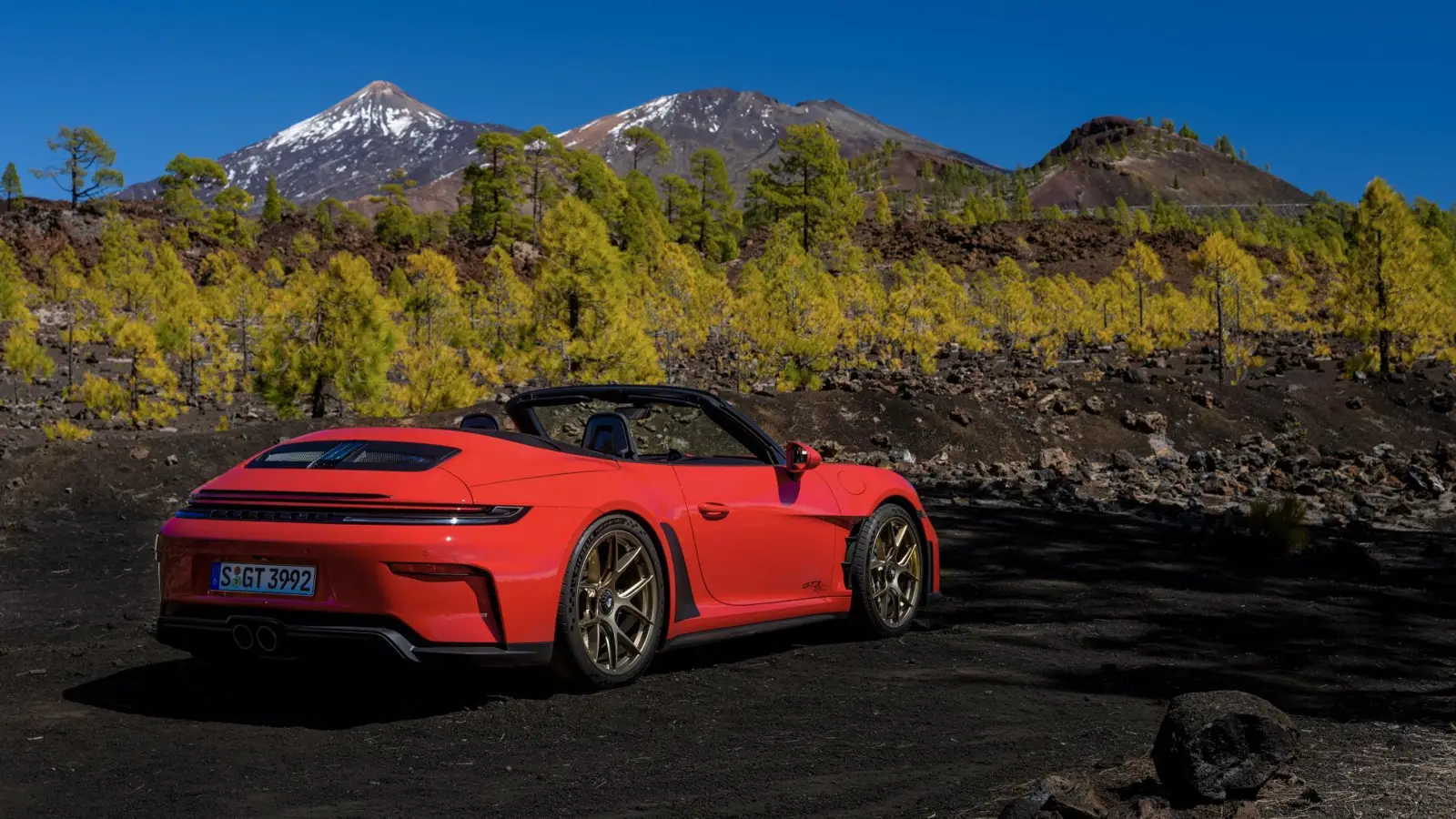
This approach changes how open-top 911 models are perceived. Until now, convertible versions were typically oriented toward comfort, while the most focused variants such as the Speedster appeared only occasionally and almost always as limited-production models. The background of that concept is explored in Porsche 911 Speedster: History, Key Features and Generations Explained, which highlights how the Speedster has never been a постоян element of the lineup, but rather an occasional statement from the brand.
Against that context, the GT3 S/C becomes particularly significant. Porsche effectively transfers its GT philosophy into a regular production open-top car, without limiting its availability or altering its core engineering concept.
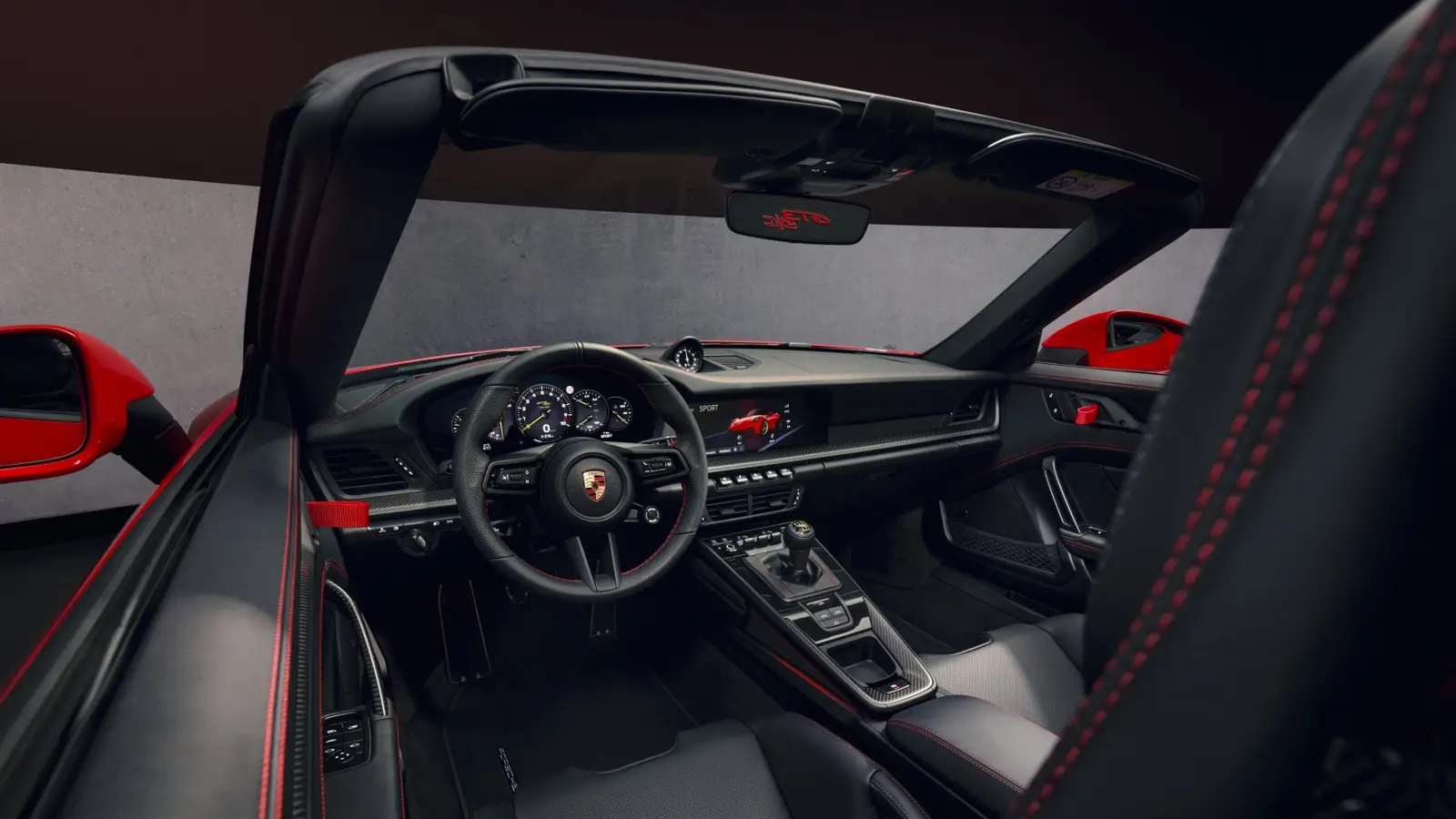
Technically, the model brings together several strands of the 911 lineup. It combines the engine and chassis of the GT3 with the lightweight construction approach of the 911 S/T. The bonnet, doors and wings are made of carbon fibre, while carbon suspension components, magnesium wheels and a lightweight battery contribute to weight reduction. Porsche Ceramic Composite Brakes are fitted as standard, reducing weight by more than 20 kilograms. The result is a total weight of 1,497 kilograms, only about 30 kilograms more than the previous-generation 911 Speedster.
One of the key engineering elements is the double wishbone front axle, derived from motorsport. This is the first time such a system has been applied to an open-top 911. It improves wheel control in corners and increases stability under high loads, reinforcing the car’s dynamic focus.
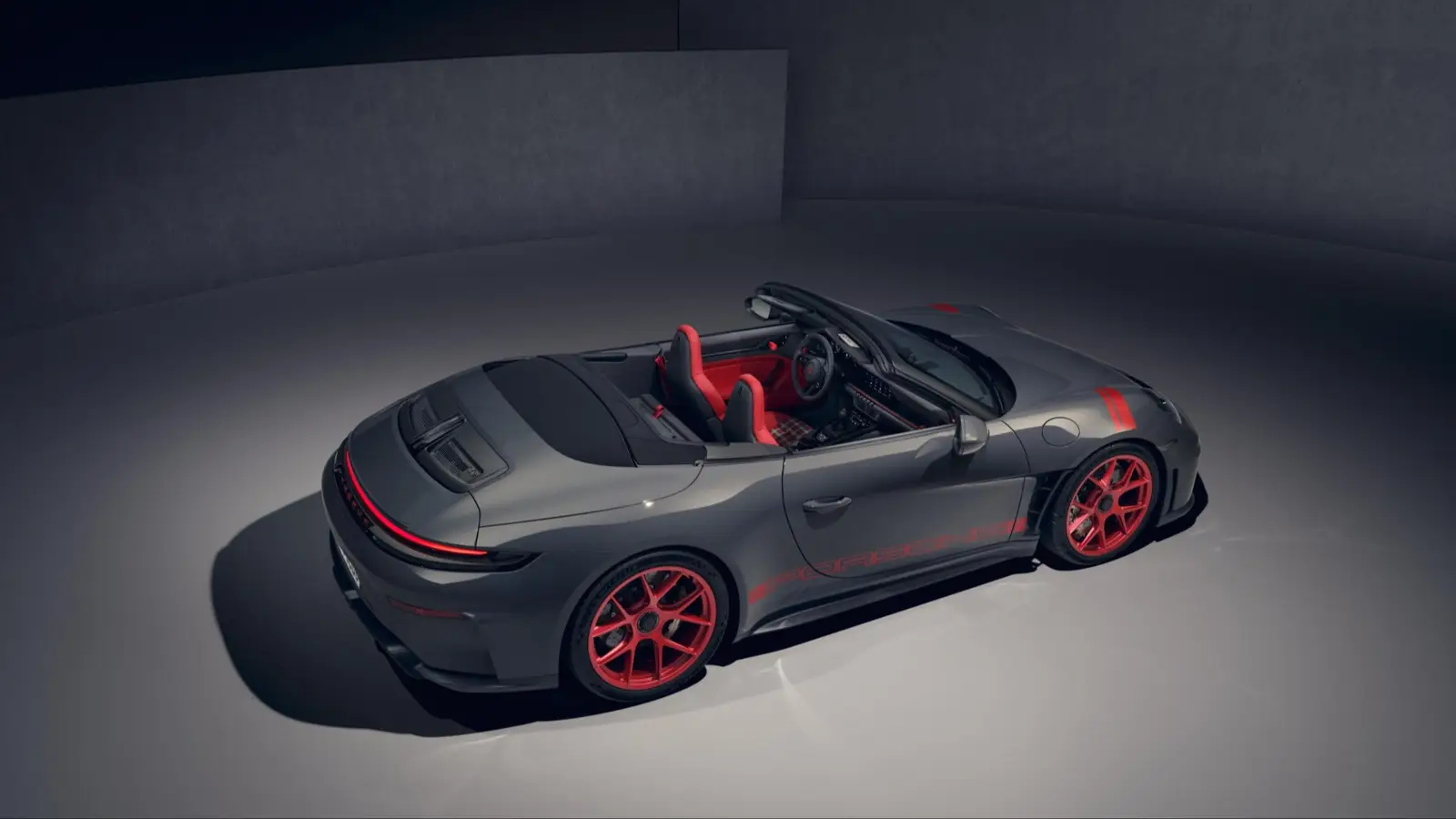
The roof represents another major shift. Unlike the manually operated top of the Speedster, the GT3 S/C features a fully automatic fabric roof with magnesium elements that maintain a coupé-like silhouette when closed. It opens or closes in approximately 12 seconds and operates at speeds of up to 50 km/h. An integrated electric wind deflector can be used at speeds of up to 120 km/h.
The model name also carries meaning. In recent publications, S/C is interpreted as Sport Cabriolet, directly reflecting the car’s concept. At the same time, Porsche has historically used similar abbreviations with different meanings, showing how its naming conventions continue to evolve.
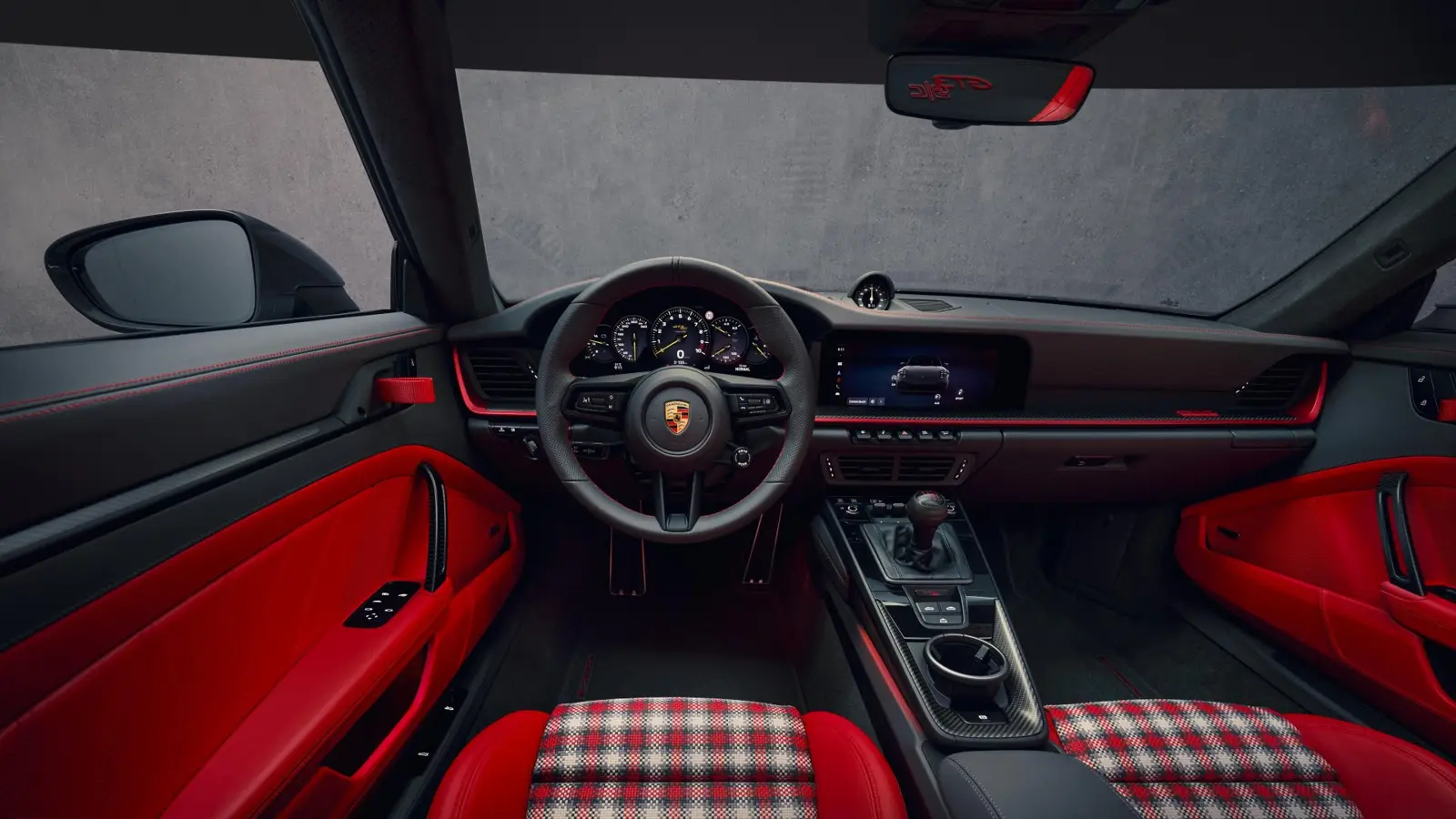
In essence, the 911 GT3 S/C does not replace the Speedster and does not replicate it directly. Instead, it brings a similar philosophy into a regular production model — making that experience more accessible while retaining its core principles.
Mark Havelin
2026, Apr 15 19:22