
Volkswagen presents ID.3 Neo with redesigned interior, new tech and improved efficiency
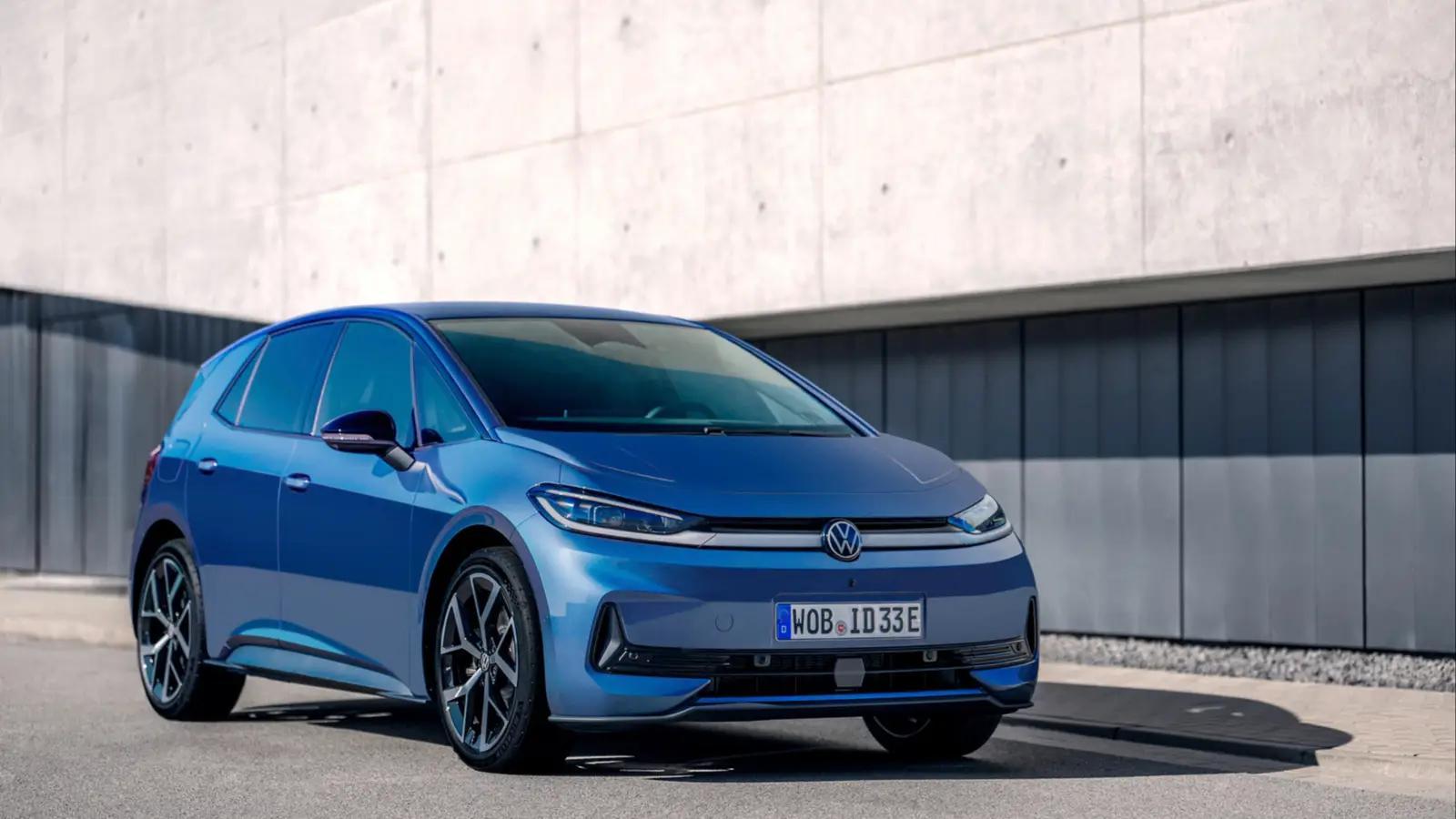
Volkswagen has unveiled the ID.3 Neo with a new design, upgraded interior and improved efficiency. Explore key specs, range, charging and what it means for the model.
Volkswagen is not just updating its electric hatchback — it is effectively rebuilding it. The ID.3 Neo emerges as a response to past shortcomings and an attempt to finally deliver on the promise of an electric equivalent to the Golf.
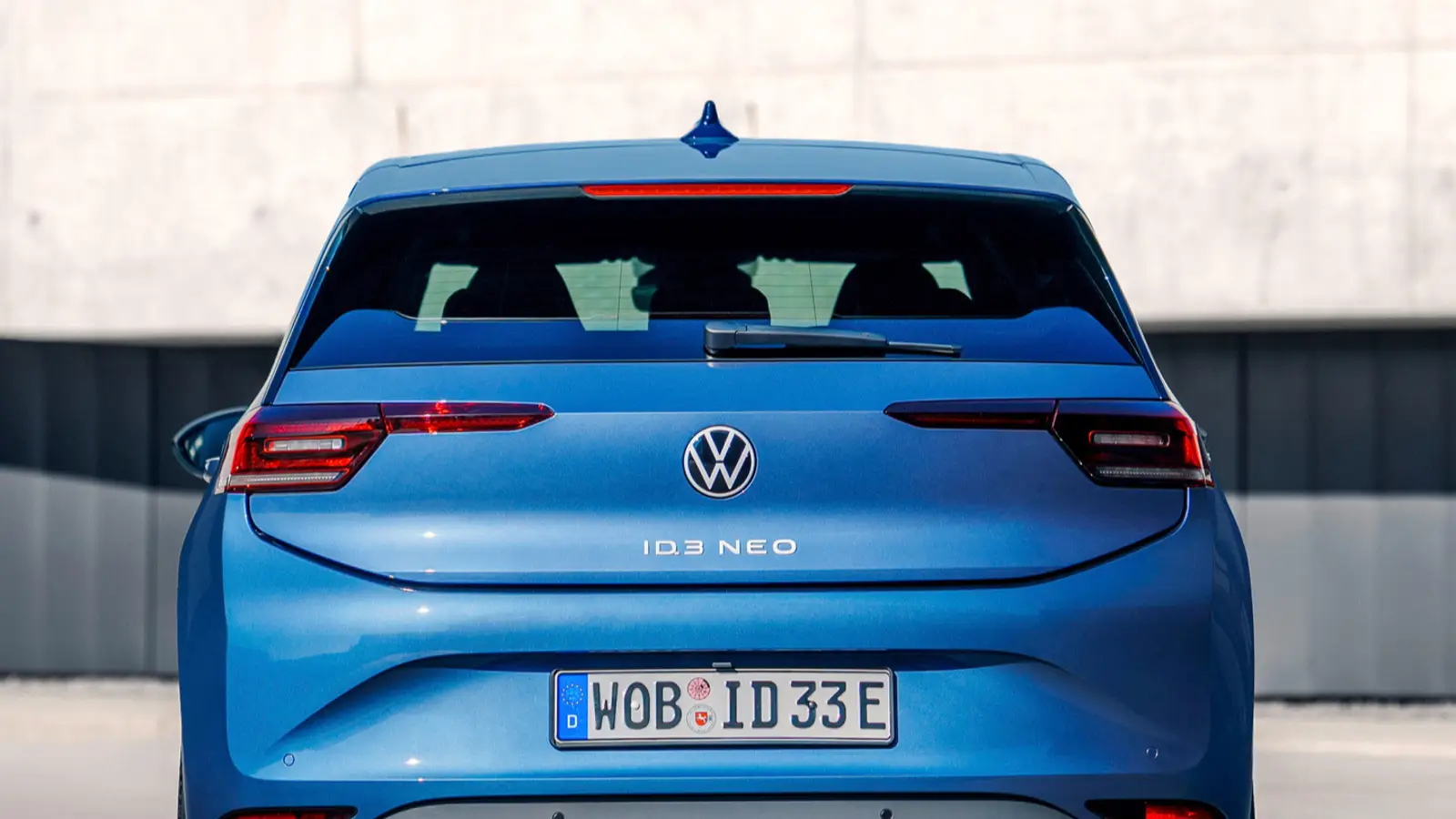
The changes are immediately visible. A redesigned front end with a continuous light strip and illuminated logo aligns the model with the latest ID lineup. At the same time, the reduction of black exterior elements gives the car a cleaner, more cohesive appearance, with body color playing a stronger visual role.
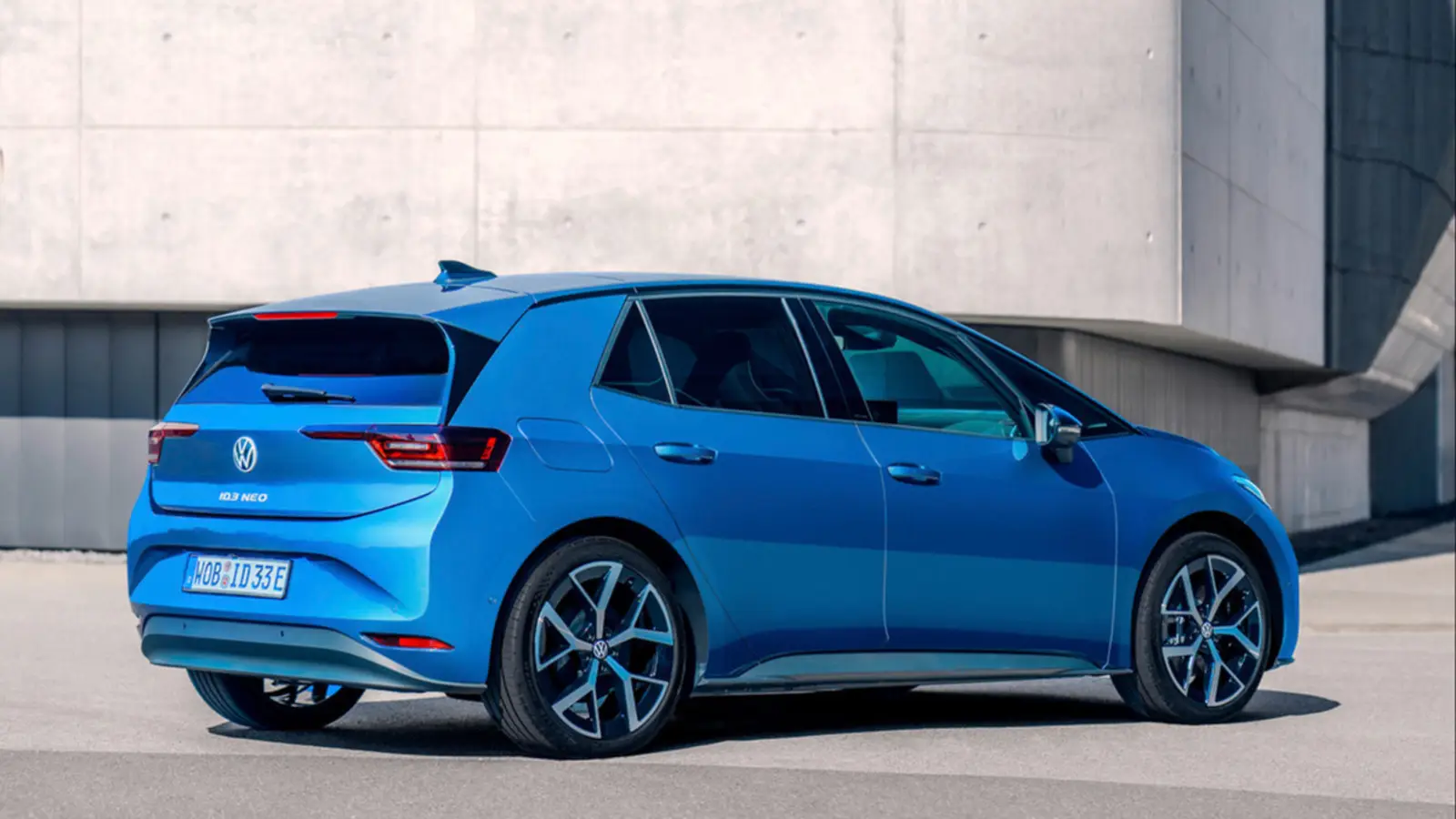
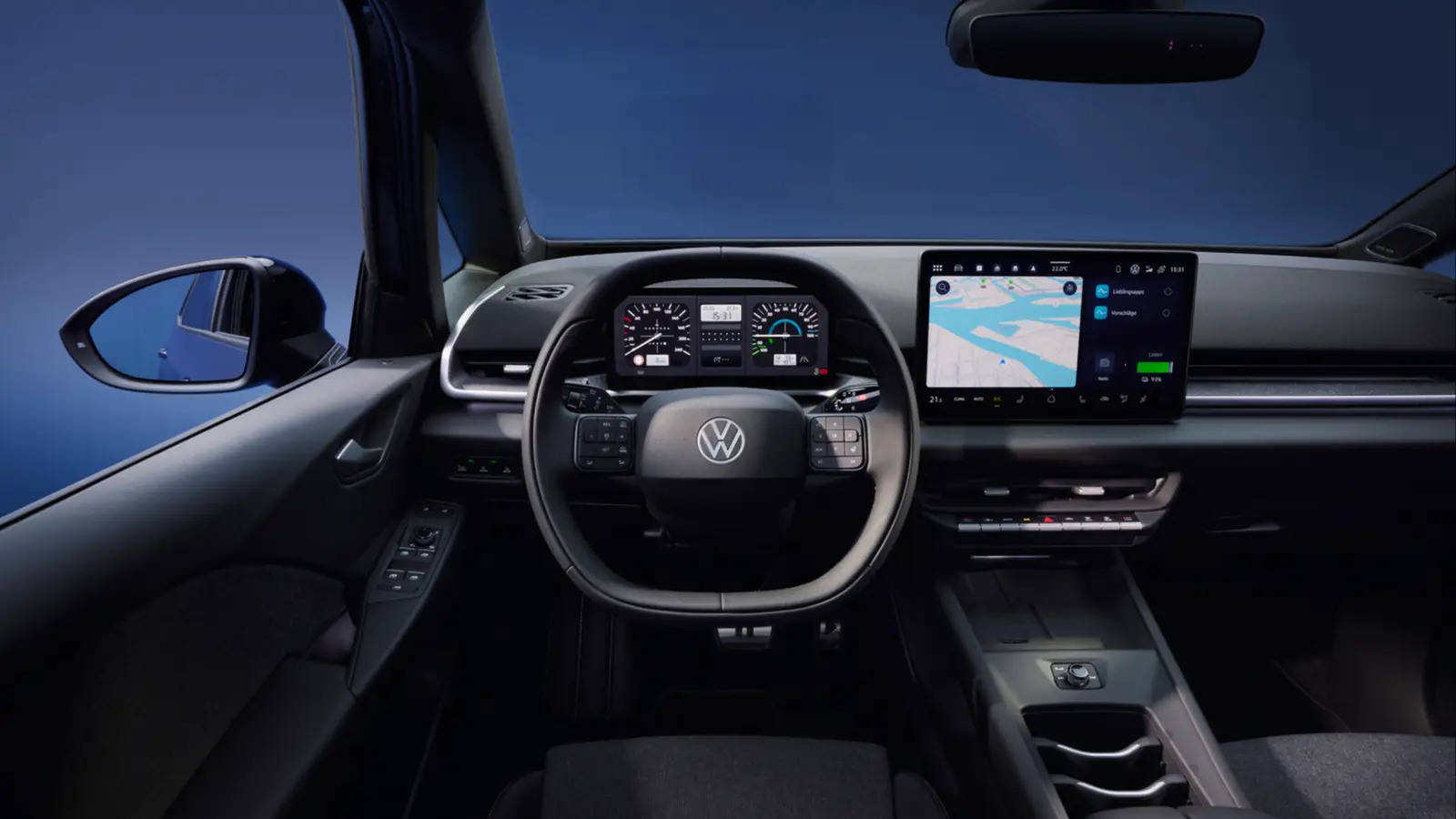
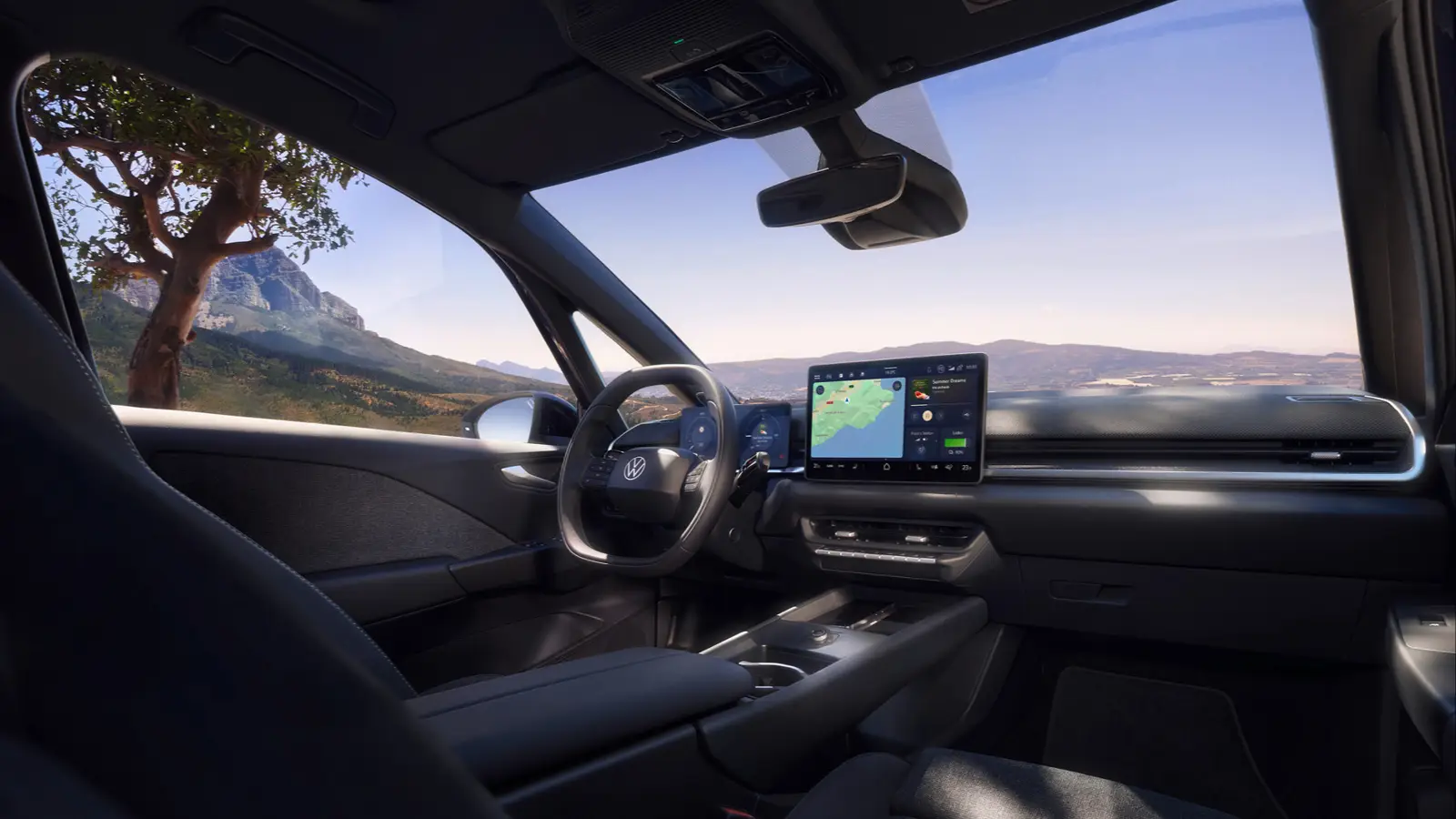
The most significant transformation, however, takes place inside. The interior was once the main source of criticism, and this is where Volkswagen has made its clearest shift. Touch-heavy controls have been replaced with physical buttons, usability has improved, and the overall material quality has been upgraded. Soft-touch surfaces, fabric inserts and metallic details create a noticeably more refined environment. Even the return of conventional window switches marks a deliberate move back toward practicality.
The digital experience has also been reworked. A larger infotainment screen of around 13 inches delivers quicker response times and more intuitive operation. Smartphone integration is more stable, and the system now includes features such as a retro interface inspired by classic Volkswagen models.
Technically, the update is evolutionary but meaningful. The ID.3 Neo remains based on the MEB platform with rear-wheel drive, now paired with more efficient electric motors. The official WLTP range exceeds 600 kilometers, while real-world motorway driving is expected to be closer to 400 kilometers — a familiar gap between test cycles and everyday use.
Battery options include 50, 58 and 79 kWh, with the smaller variants adopting LFP technology. Fast charging remains moderate, with around 29 minutes required to charge from 10 to 80 percent for the larger battery.
Despite its compact length of around 4.29 meters, the car offers interior space closer to a higher segment. A 385-liter boot and flexible cabin layout make it suitable for everyday use beyond short urban trips.
This positioning is deliberate. Unlike smaller upcoming models such as the ID. Polo, the ID.3 Neo is designed to function as a primary vehicle rather than a secondary city car.
The deeper significance of this update lies beyond the specifications. Volkswagen demonstrates a clear response to customer feedback, addressing issues seen in earlier models — from interface design to software execution. Where previous releases raised concerns, the ID.3 Neo signals a shift in direction.
Seen in the context of upcoming next-generation electric vehicles, this model takes on a broader role. It serves as a transition point, showing how future Volkswagen EVs may combine improved quality, usability and technology. In that sense, the ID.3 Neo is less about change for its own sake and more about resetting expectations.
Ethan Rowden
2026, Apr 18 19:19