
MINI celebrates 25 years of modern production with BMW
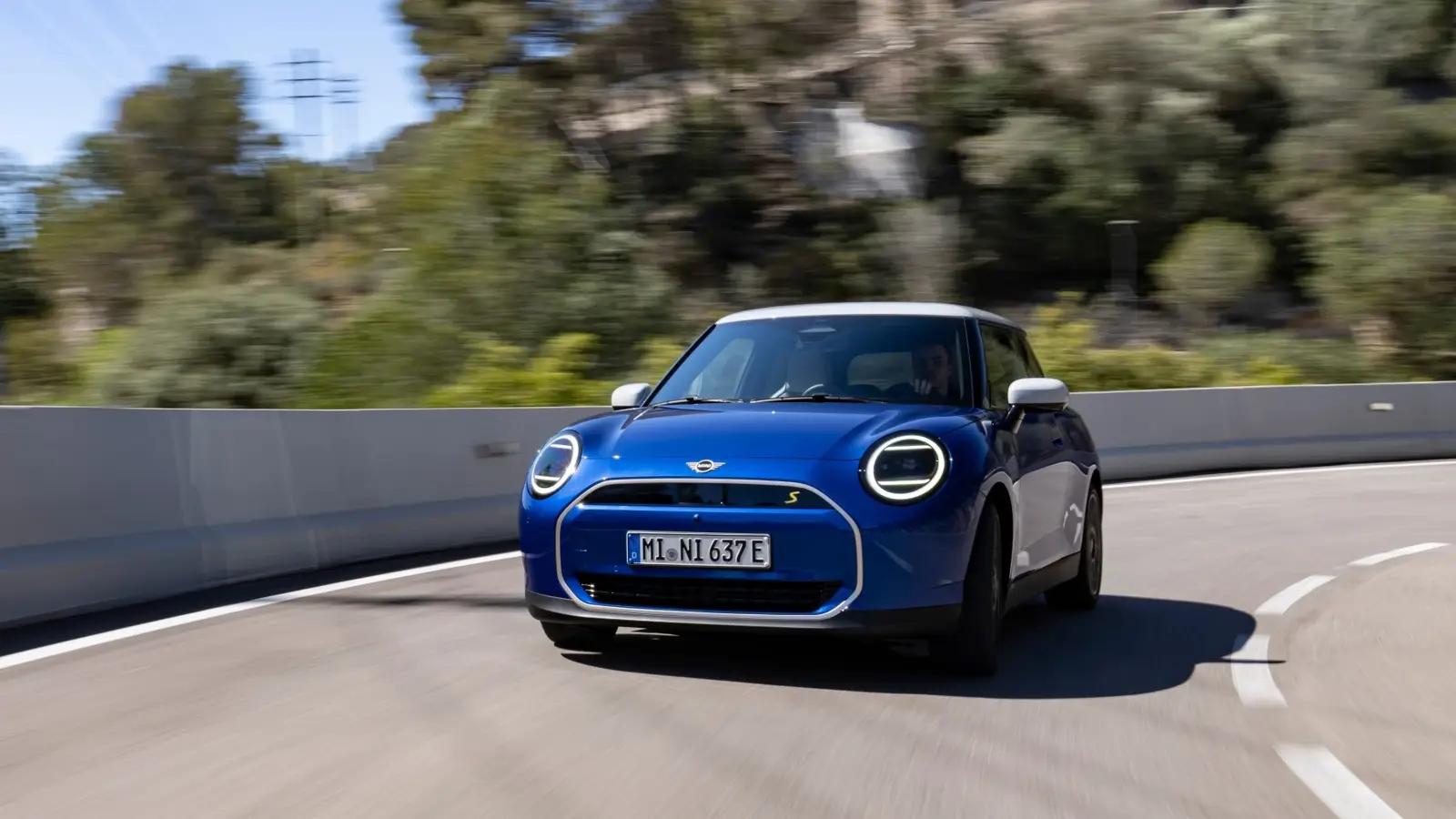
BMW Group reports MINI’s 25 years of modern production, from 2001 launch to global growth, electrification and UK manufacturing milestones. Learn more about the brand’s evolution.
On April 26, 2001, the first modern MINI rolled off the production line in Oxford, marking the beginning of a transformation that would turn a compact British car into a global brand with millions of units sold. By 2026, more than 4.67 million MINIs have been produced in the UK, reflecting the scale of this evolution.
The anniversary highlights not just longevity, but the depth of change. After BMW Group acquired the MINI brand in 1994, it redefined the car’s role in the market. While preserving its iconic design and signature “go-kart feeling,” MINI was repositioned as a premium compact vehicle, blending heritage with modern technology and quality standards.
Today, MINI offers a lineup of five models with a range of body styles and powertrains. Customers can choose between combustion engines and fully electric versions. In 2025, the brand sold 288,290 vehicles globally, with more than one third being fully electric. In markets such as the Netherlands and Sweden, electric vehicles accounted for over 50% of sales, reflecting the brand’s accelerating shift toward electrification.
Production remains firmly rooted in the UK. The Oxford and Swindon plants form one of the country’s key automotive hubs, employing more than 3,000 people and producing around 800 cars per day. At Oxford, a new MINI leaves the line every 78 seconds. The production network is complemented by the Hams Hall plant, which has produced over 4.6 million engines for MINI since 2006.
The story of MINI extends far beyond the past 25 years. The original Mini, introduced in 1959 by engineer Alec Issigonis, revolutionized car design with its front-wheel-drive layout and transversely mounted engine. These innovations maximized interior space and set a template for small cars worldwide. By the 1960s, Mini had also proven its performance credentials, winning the Monte Carlo Rally in 1964, 1965, and 1967.
Modern MINI models continue this legacy with a strong focus on technology and safety. Recent generations have consistently achieved five-star Euro NCAP ratings, including the latest MINI Cooper and MINI Aceman. At the same time, performance remains a core pillar, with the John Cooper Works sub-brand reaching record sales of 25,630 units in 2025.
Customization remains central to the MINI identity. From paint colors to interior trims and distinctive features like the multi-tone roof, each vehicle can be tailored to individual preferences. Special editions and collaborations, including projects with designer Paul Smith, further reinforce MINI’s connection to British design culture.
Looking ahead, BMW Group continues to invest in electrification, preparing its UK plants for future electric MINI production. While investment timelines are being adjusted in response to market conditions, the transition toward electric mobility remains a defining direction for the brand’s next chapter.
Mark Havelin
2026, Apr 25 11:25