
Why Retro Car Design Is Returning and How Brands Use Nostalgia

Explore why retro car design is making a comeback and how automakers like Renault, Ford, Fiat, Volkswagen, and Toyota use nostalgia to shape modern vehicles.
Retro-inspired car design has moved beyond being a one-off styling exercise and has become a consistent strategy. In 2025, carmakers are increasingly turning to their own pasts—not to copy them, but to reinterpret them. Familiar silhouettes, revived names, and visual references to earlier decades are now used as a way to connect with audiences who feel fatigued by anonymous-looking electric vehicles and are looking for emotional engagement.
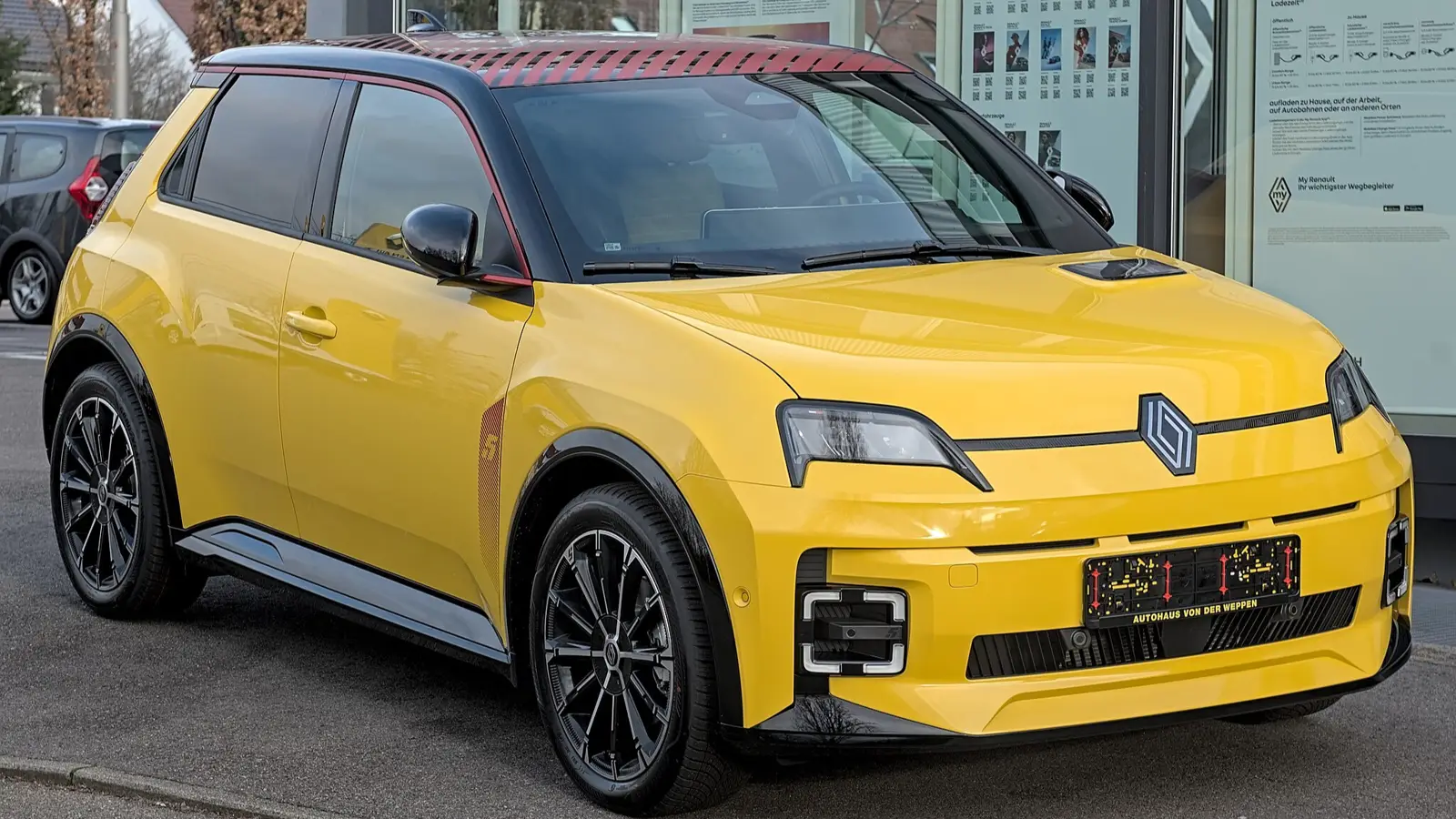
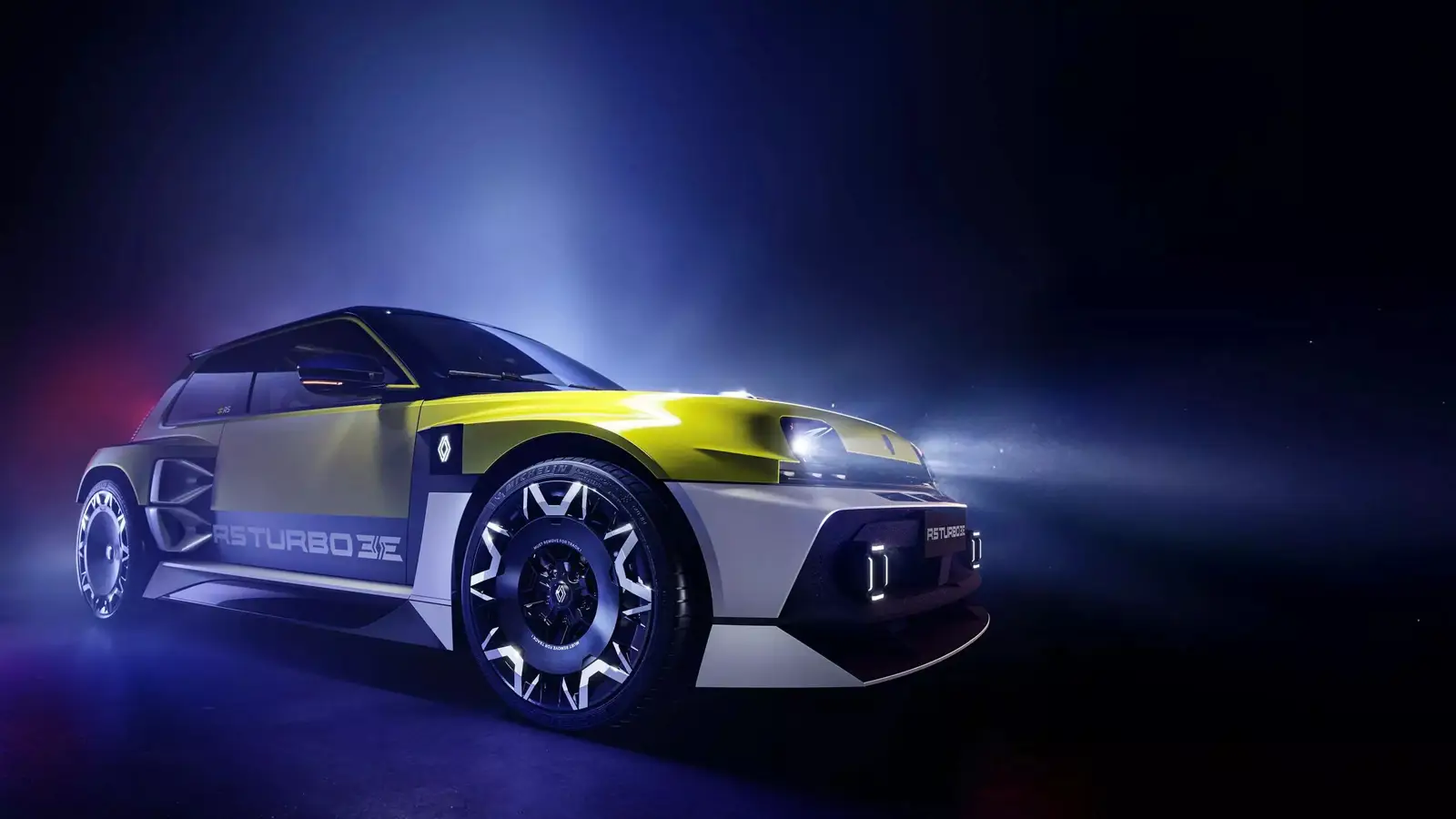
A clear example is the Renault 5 E-Tech Electric. In its official materials, Renault openly describes the car as having a “retro-futuristic design” and highlights its visual lineage back to the original Renault 5 of the 1970s. This approach goes beyond appearance. Renault explains that its AmpR Small platform was developed to support a strong design vision, rather than forcing designers to adapt to pre-existing technical constraints. In this case, the past becomes a starting point, not a limitation.
Ford follows a similar logic with the return of the Capri name, one of the most recognisable in its history. In 2025, the brand has not only revived the name in its communications but has also backed it up with concrete industrial actions. The start of mass battery pack assembly for the electric Capri and Explorer at Ford’s Cologne facility demonstrates that nostalgia is being paired with a thoroughly modern production infrastructure.
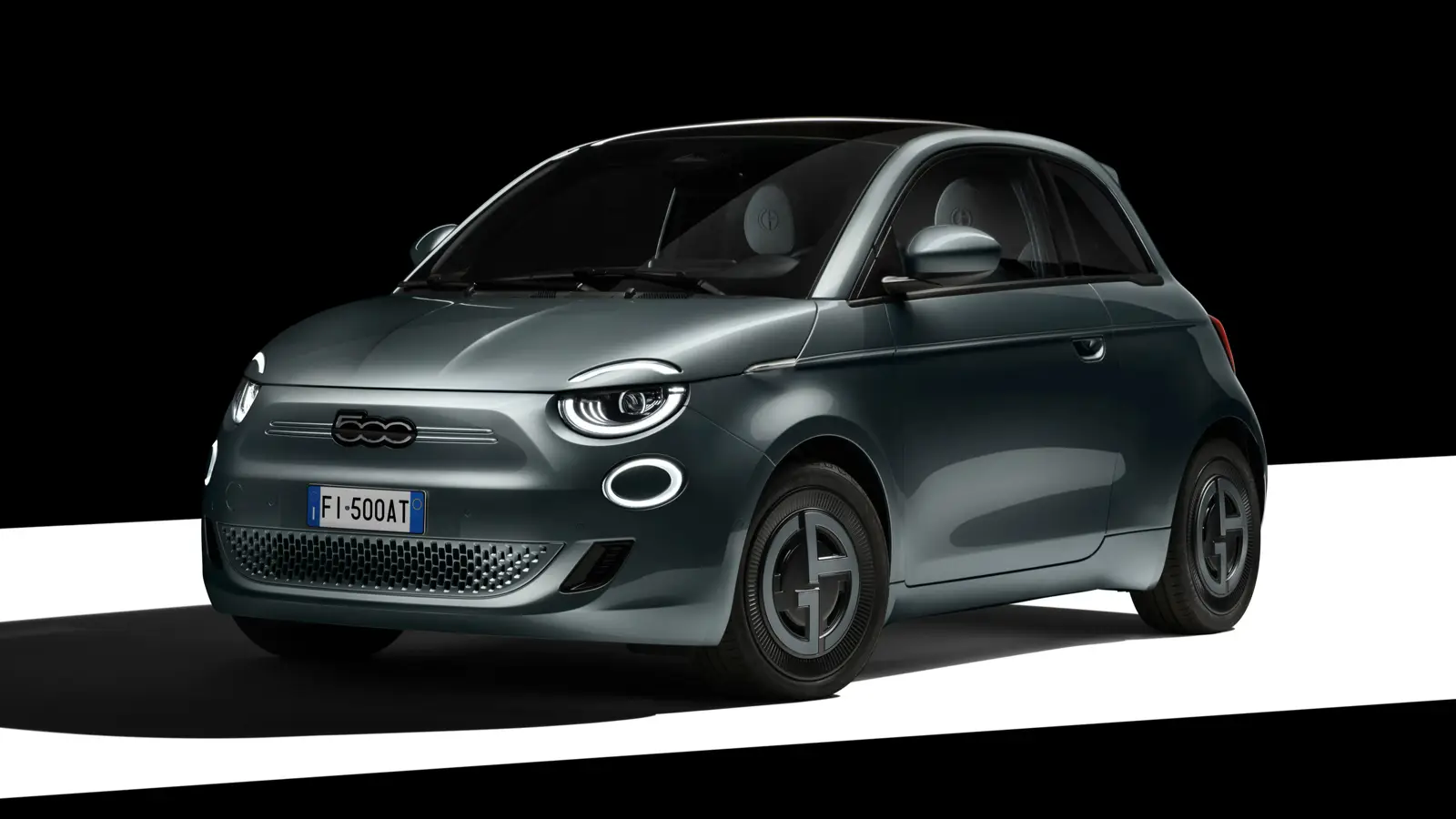
Fiat takes the idea further by turning heritage into a design dialogue. The Fiat 500e Giorgio Armani Collector’s Edition was presented as a collaboration between Fiat Centro Stile and the Armani design team. Here, nostalgia works through the preservation of the model’s historic lines, while fashion and cultural context add another layer. German-market materials detail tangible elements such as exclusive colours, interior finishes, and branded details, grounding the heritage narrative in a physical product.
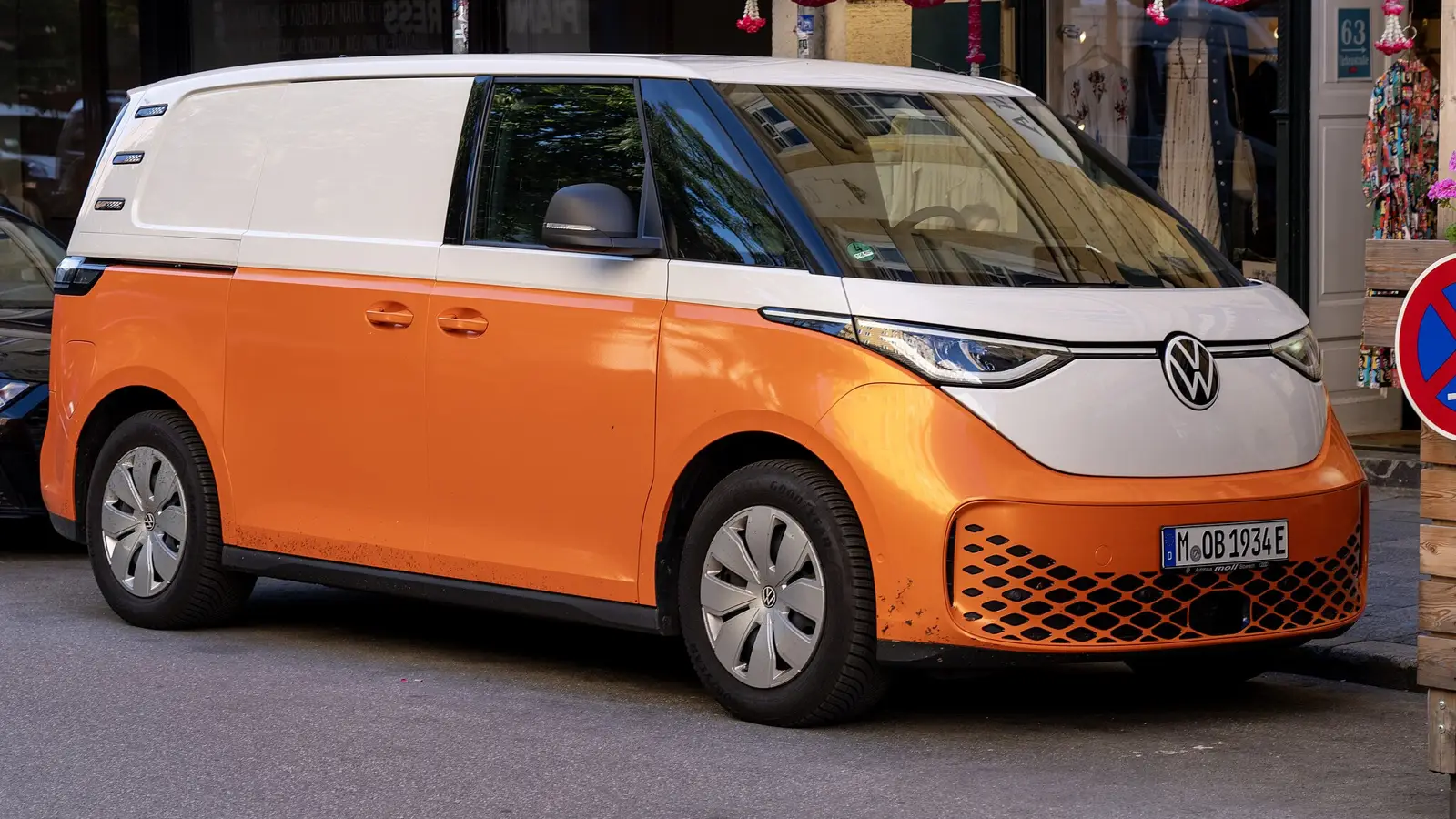

The Volkswagen ID. Buzz plays a special role in this trend. Often described as a modern reincarnation of the classic Microbus, it has proven to be more than a metaphor. Reviewers note that the vehicle literally draws a crowd, largely because many people have personal memories associated with the original Microbus. At the same time, recent reviews openly address its drawbacks, including price, range, and interior compromises. Nostalgia attracts attention, but it does not shield a car from critical evaluation.
Toyota applies a more restrained but equally deliberate approach. In its materials for the 2026 Land Cruiser, the company emphasises continuity with a “legendary off-road legacy” dating back to the model’s U.S. debut in 1958. The introduction of the Land Cruiser 1958 variant, with round headlights and a heritage grille spelling out TOYOTA, shows how visual references to the past remain central to brand identity even as the vehicle evolves technologically.
This shift is also supported by academic research. Studies on heritage marketing note that, in the era of electrification, brands increasingly use legacy as a bridge between past and future. However, these sources also warn that nostalgia only works when it is paired with credible signals of progress. Without that balance, retro design risks becoming superficial styling rather than meaningful identity.
As a result, retro design in 2025 is less about going back and more about careful reconstruction. Carmakers use familiar forms and names to lower the psychological barrier to new technologies and make electric vehicles feel more approachable. Judging by the volume of recent launches and public reactions, the strategy is gaining traction. Its long-term success, however, appears to depend not on nostalgia itself, but on how convincingly the past is integrated into the present.
Allen Garwin
2025, Dec 30 09:07