
Mercedes-Benz CL 600 from the 1999 Geneva Motor Show
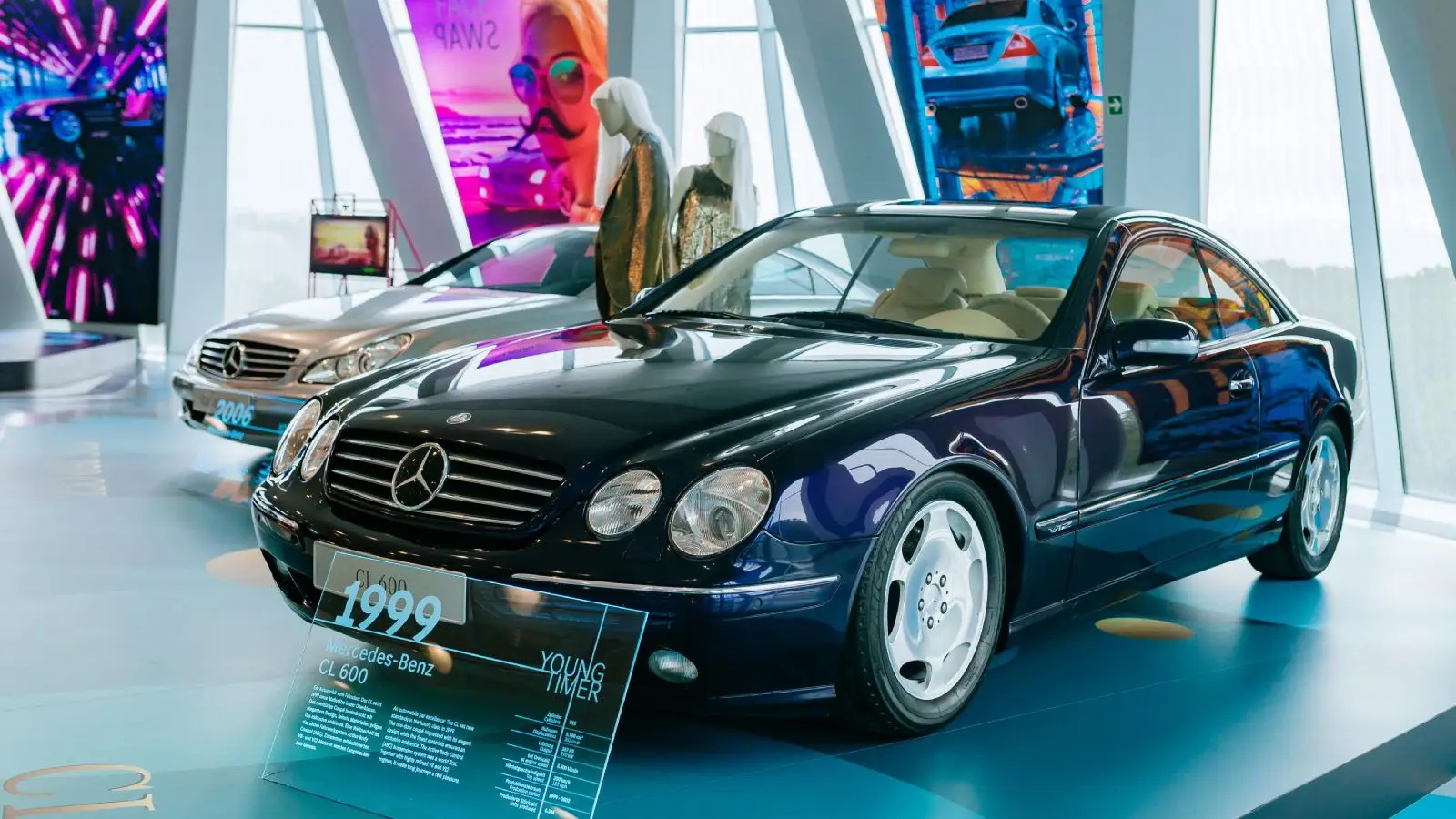
Mercedes-Benz Museum presents the CL 600 shown at the 1999 Geneva Motor Show, highlighting stone interior trim, ABC suspension and its place in brand history.
The Mercedes-Benz Museum continues its “Close-up” series, where individual exhibits become a lens through which broader stories of technology, ambition, and design are told. This edition focuses on the Mercedes-Benz CL 600 of the C 215 series, a premiere vehicle from the 1999 Geneva Motor Show that is now on display in the special “Youngtimer” exhibition (Collection 5) through April 12, 2026.
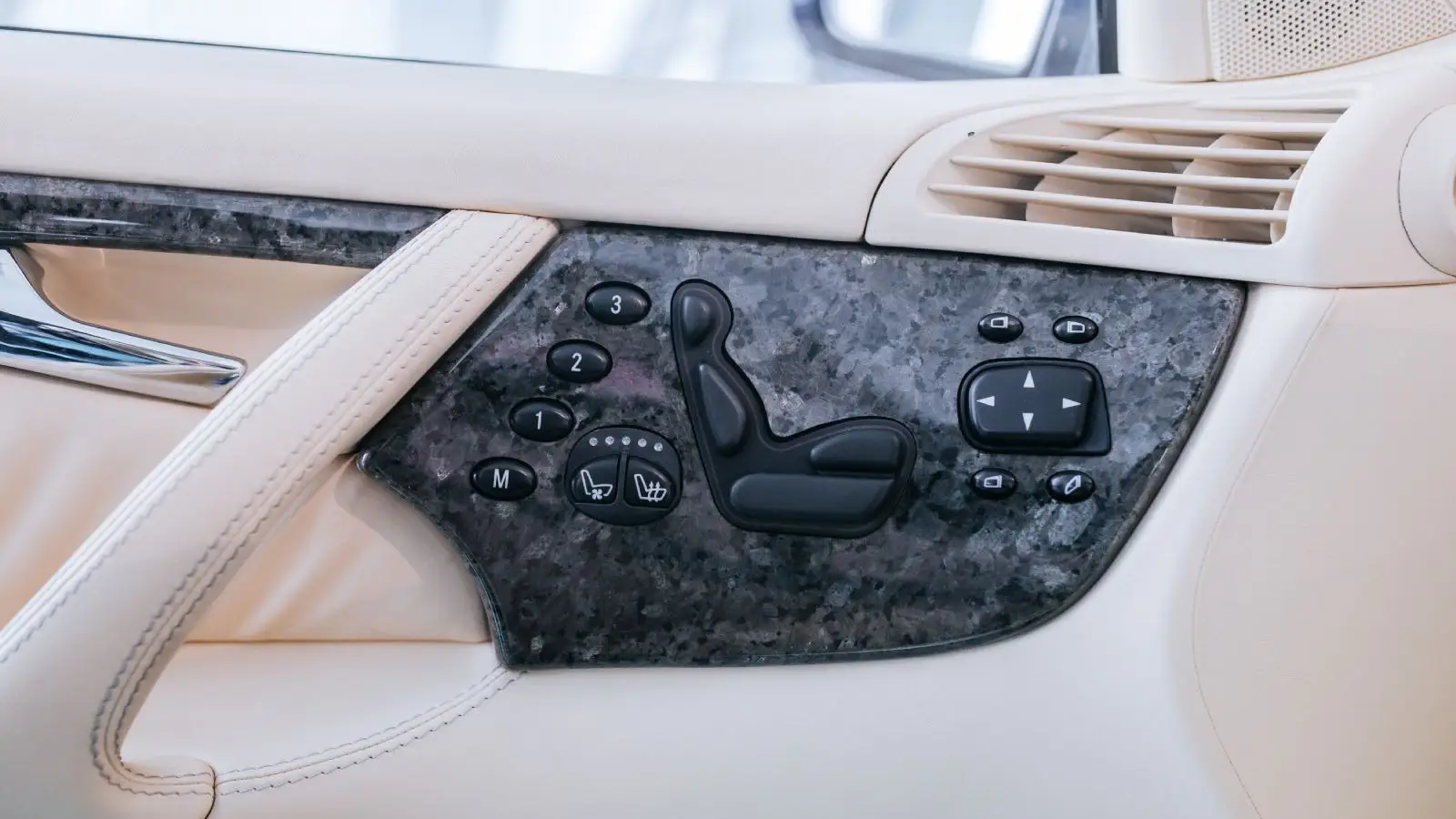
This CL 600 holds a special place in the brand’s history for several reasons. Above all, it represents the pinnacle of luxury coupé engineering at the end of the 1990s. Most notably, it introduced an idea that was highly unusual at the time: the use of genuine natural stone in a car’s interior. Decorative trim elements made from Norwegian larvikite, marketed as Labrador Blue Pearl, were first showcased on the center console and door panels of this very vehicle. With its deep blue shimmer, the polished stone created a striking visual effect and later paved the way for series production within the designo customization program from 2001 onward.
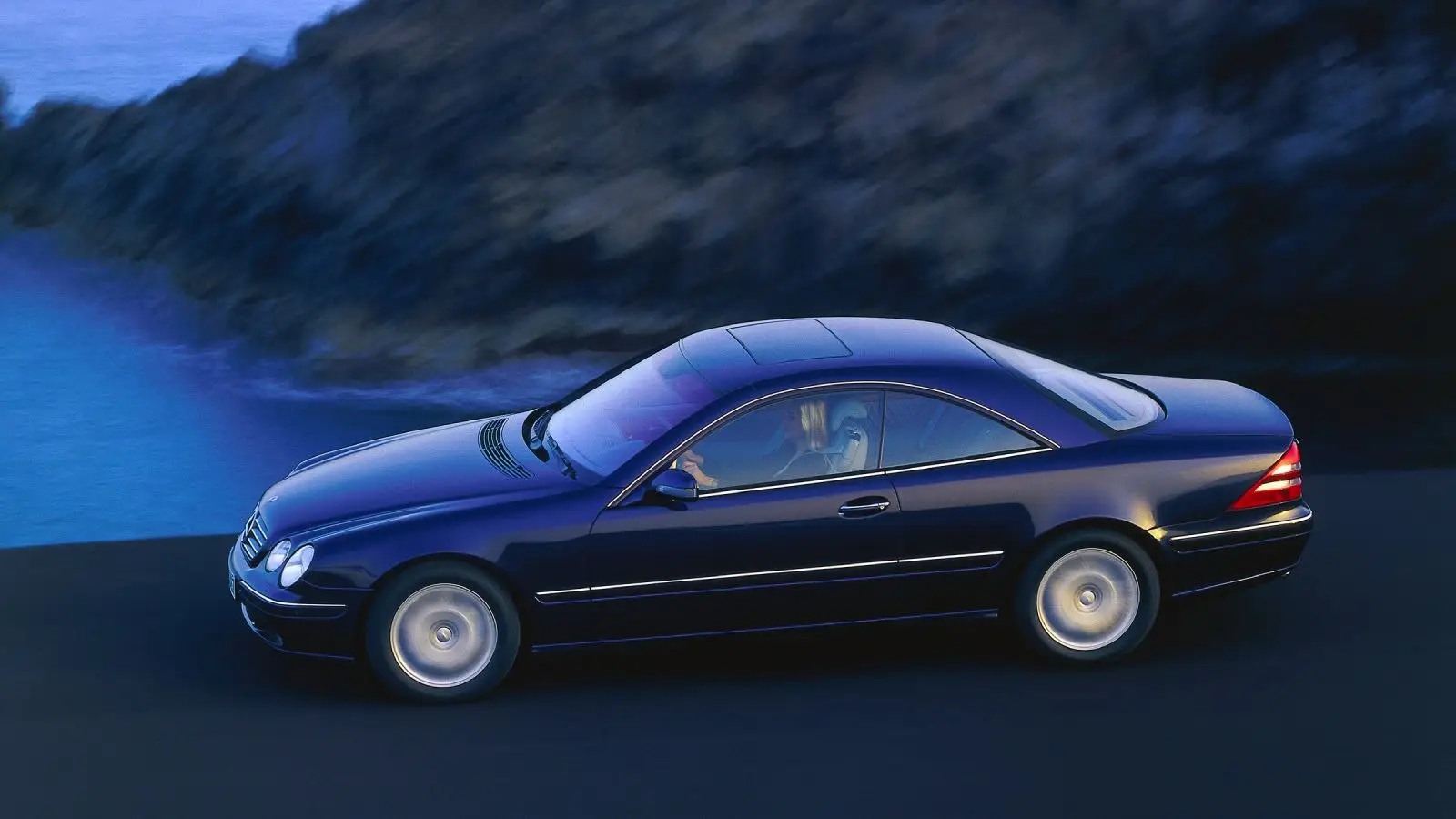
The Geneva premiere in 1999 marked a double debut for the CL 600. The C 215 generation was presented as a new benchmark for flagship two-door models, and the show car occupied a central position on the Mercedes-Benz stand. It was also the stage for the world premiere of Active Body Control, an advanced hydraulic suspension system designed to counteract body roll and pitch through sensors and actuators. At the time, ABC was considered a major technological breakthrough and set new standards for ride comfort in the luxury segment.
Power came from the newly developed 5.8-liter V12 engine, known internally as the M 137, underlining the CL 600’s role at the top of the model range. Combined with advanced electronic systems and a strong focus on refinement, the car illustrated Mercedes-Benz’s philosophy of luxury as a result of engineering precision rather than mere opulence.
The history of the C 215 series is also closely linked to motorsport. In the 2000 Formula 1 season, the CL 55 AMG served as the official Safety Car, driven by Bernd Mayländer at the beginning of his long career in that role. From this context emerged the limited CL 55 AMG “F1 Limited Edition”, which became the first road-going automobile to feature ceramic composite brake discs as part of a pilot project for future series applications.
The museum’s CL 600 also highlights another defining aspect of the era: the growing importance of individualization. In addition to its stone interior trim, the car features a designo Chromaflair paint finish, known for its pronounced color-shifting effect depending on light and viewing angle. Together with the coupé’s long hood, flowing roofline, and restrained yet powerful proportions, this finish reinforces its lasting visual appeal.
Seen today, the C 215 CL 600 stands as more than a beautifully preserved automobile. It represents a moment when advanced technology, experimental materials, and a new interpretation of luxury converged. As such, the Geneva show car from 1999 offers a clear snapshot of Mercedes-Benz’s ambitions at the turn of the millennium.
Both show cars—the Mercedes-Benz CL 600 (C215) from Geneva 1999 and the CLS 350 CGI (C219) from Geneva 2006—are displayed side by side in the “Feinsinn” section of the Mercedes-Benz Museum’s Youngtimer exhibition, allowing visitors to trace two closely linked chapters of the brand’s design and technology history in direct comparison
Mark Havelin
2026, Jan 14 21:07