
How the Automotive Industry Is Shaping Modern Fashion
An in-depth look at how car brands and motorsport figures influence fashion through collaborations presented by luxury houses and automotive manufacturers. Explore the trend.
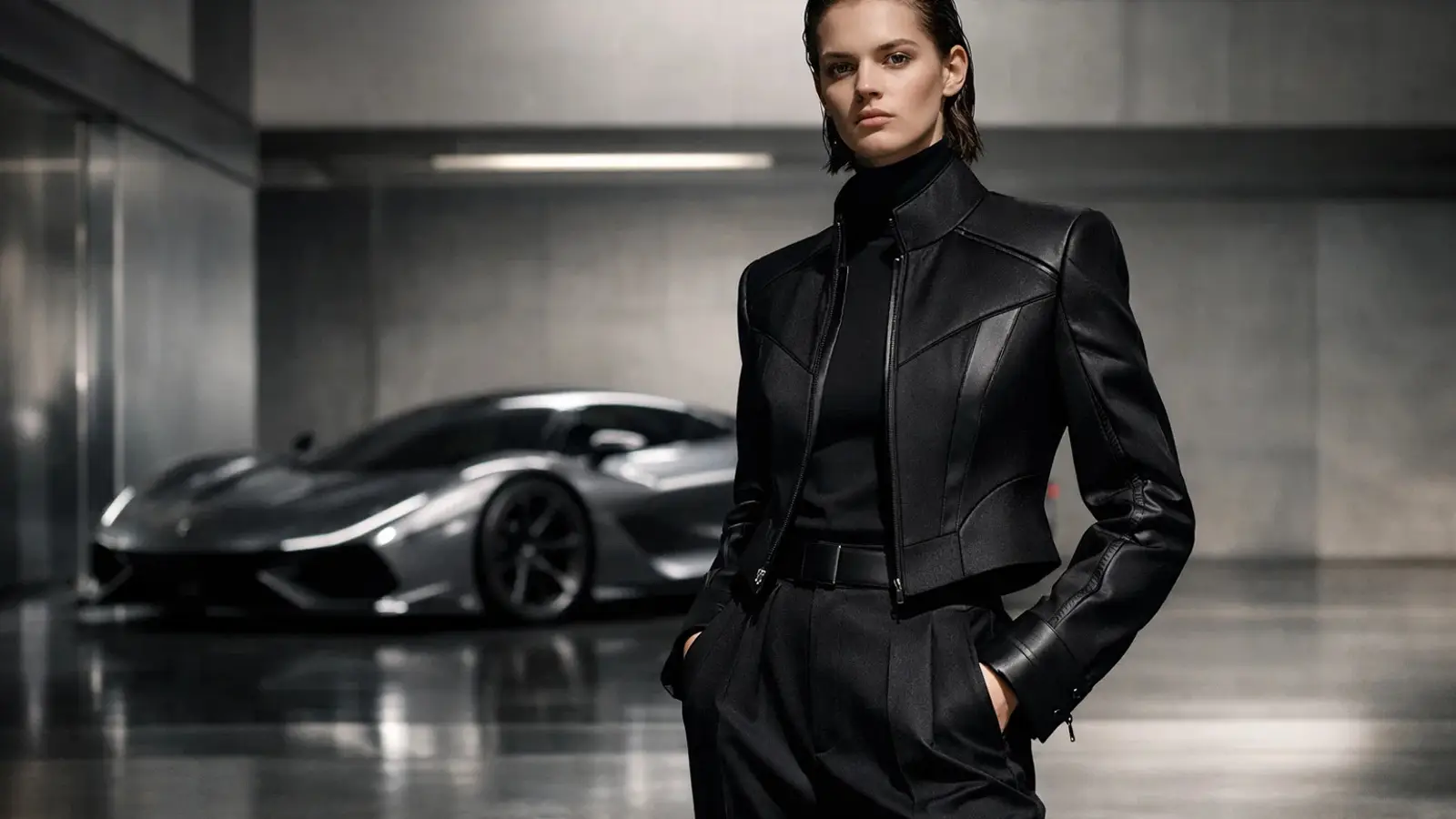
The automotive industry is increasingly stepping beyond showrooms, racetracks, and design studios. In 2025, it has become clear that fashion is no longer a side project or branded merchandise for carmakers and luxury houses, but a deliberate way to speak to new audiences. This language is now used by couture maisons, performance brands, and manufacturers building full lifestyle ecosystems around their names.
One of the clearest examples is the collaboration between Balenciaga and Automobili Lamborghini, launched on May 21, 2025 as part of the Fall 25 collection. The project translates automotive design into fashion codes through reworked Balenciaga bags featuring the Lamborghini Shield and accessories inspired by car iconography. The collaboration extended beyond physical products, incorporating immersive experiences such as an Apple Vision Pro activation, highlighting how contemporary fashion increasingly operates between physical and digital environments.
Motorsport, particularly Formula 1, has emerged as another powerful bridge between cars and fashion. The Dior and Lewis Hamilton capsule for Fall 2025 positions the driver not just as an ambassador but as a creative participant. Dior describes the collection as merging streetwear aesthetics with timeless sophistication, presenting fashion as an extension of the lifestyle and cultural influence surrounding modern motorsport rather than a simple visual reference.
At the same time, some automotive brands are developing fashion as an internal discipline. In May 2025, Ferrari introduced the Leclerc x Ferrari capsule in Monte Carlo. Designed by Ferrari Creative Director Rocco Iannone and his team with input from Charles Leclerc, the collection reinforces Ferrari’s broader ambition to express its identity through apparel and accessories, positioning fashion as part of the brand’s wider aesthetic universe.
Porsche illustrates a different but related strategy, using fashion to narrate heritage. The Porsche x BOSS Fall/Winter 2025 capsule references the 60th anniversary of the 911 Targa through subtle patterns, sporty elegance, and iconic branding. Another project, the collaboration with designer Arthur Kar, marked the 25th anniversary of the Carrera GT with a limited-edition capsule accompanied by a curated exhibition and event in Paris, framing clothing as a cultural tribute to an automotive icon.
A broader lifestyle approach is evident in CUPRA’s “Beyond Automotive” strategy, unveiled around IAA Mobility 2025. Through CUPRA Design House, the brand presented collaborations spanning luggage with Harper Collective, a non-alcoholic drink with Vichy Catalan, accessories with MAM, and a signature scent developed with LUCTA. Fashion here becomes one element within a larger design and lifestyle system that extends the brand well beyond the car itself.
Against this backdrop, Supreme offers a contrasting case. Over the past year, its confirmed automotive-related project has been the Supreme/Fox Racing collaboration, rooted in motorsport equipment rather than direct partnerships with car manufacturers. This underlines how streetwear often engages with automotive culture through racing and performance gear instead of automotive brands themselves.
Taken together, these projects reveal a consistent pattern. Cars and fashion now share common tools: limited capsules, heritage references, athlete involvement as creative partners, and expansion into lifestyle products. The activity seen throughout 2025 suggests that fashion has become a core instrument for the automotive industry, not an accessory, but a flexible and increasingly influential way to build and communicate brand identity.
Allen Garwin
2026, Jan 21 04:29