
2026 Lexus ES Introduced with Electric and Hybrid Options
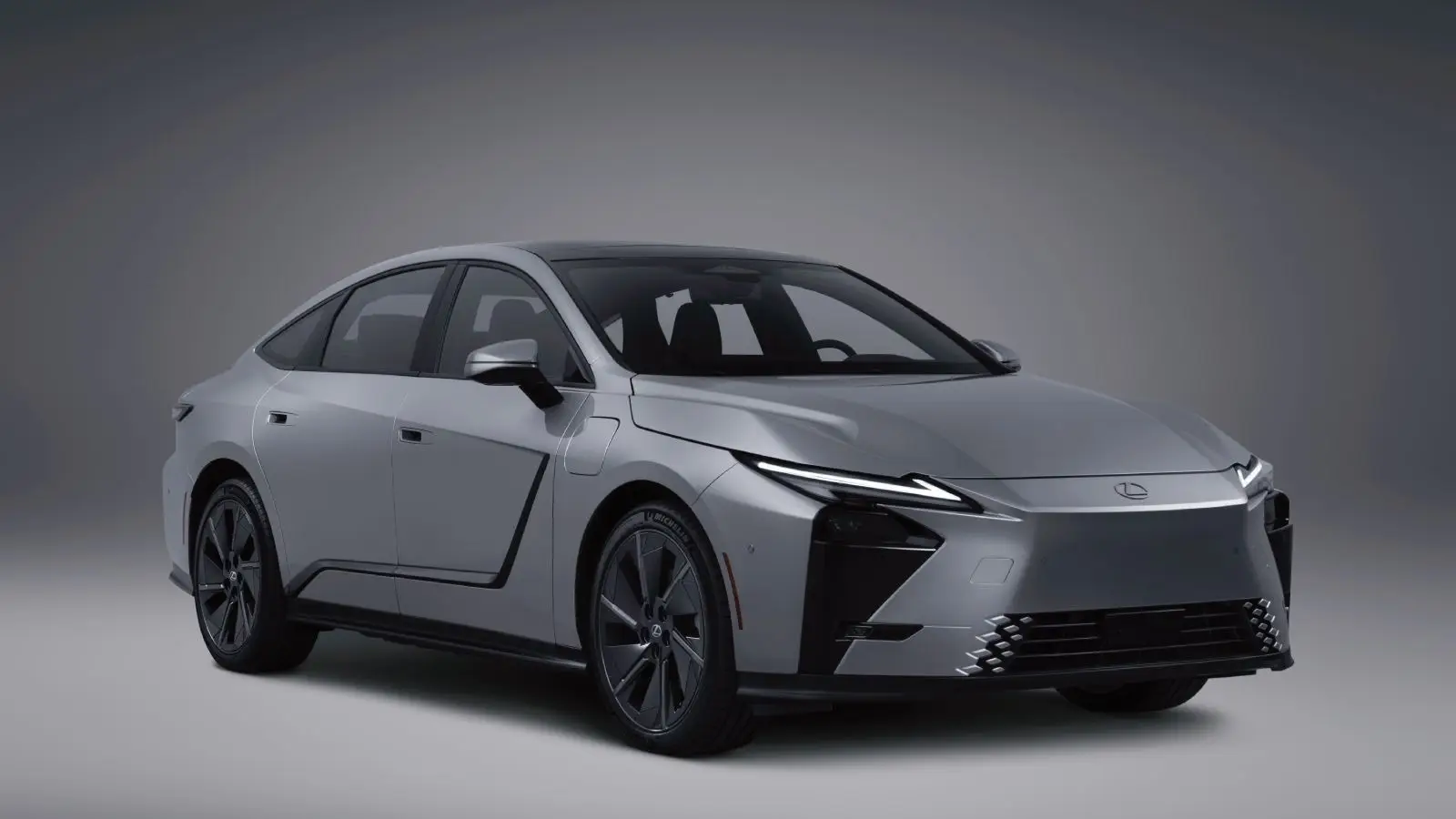
Lexus presents the 2026 ES with first battery-electric models and upcoming hybrid version, new platform, updated design, and advanced safety features.
The new Lexus ES enters a phase that once seemed unlikely for the model. Long associated with hybrid smoothness and traditional comfort, the sedan now introduces fully electric versions for the first time.
The eighth-generation ES arrives in multiple configurations. At launch, two battery-electric variants are available: the front-wheel-drive ES 350e and the all-wheel-drive ES 500e. A hybrid ES 350h will follow later, built on the same platform. This reflects Lexus’ multi-pathway strategy, developing different powertrains in parallel rather than committing to a single solution.
Both electric versions use a 74.7 kWh lithium-ion battery mounted under the floor. The ES 350e features a single 221 hp motor and accelerates from 0 to 60 mph in 7.4 seconds. The ES 500e adds a rear motor, delivering a combined 338 hp and reducing the sprint time to 5.1 seconds.
Range figures vary accordingly. The ES 350e is rated at up to 307 miles (EPA), while the ES 500e reaches up to 276 miles. Larger 21-inch wheels slightly reduce these numbers. Fast charging from 10 to 80 percent takes about 28 minutes at up to 150 kW, while a full AC charge requires roughly 7 hours.
The new ES is noticeably larger than its predecessor, with increased length, width, and wheelbase translating into more interior space. Lexus places particular emphasis on rear-seat comfort, offering an Executive package with reclining seats, ventilation, massage functions, and an ottoman.
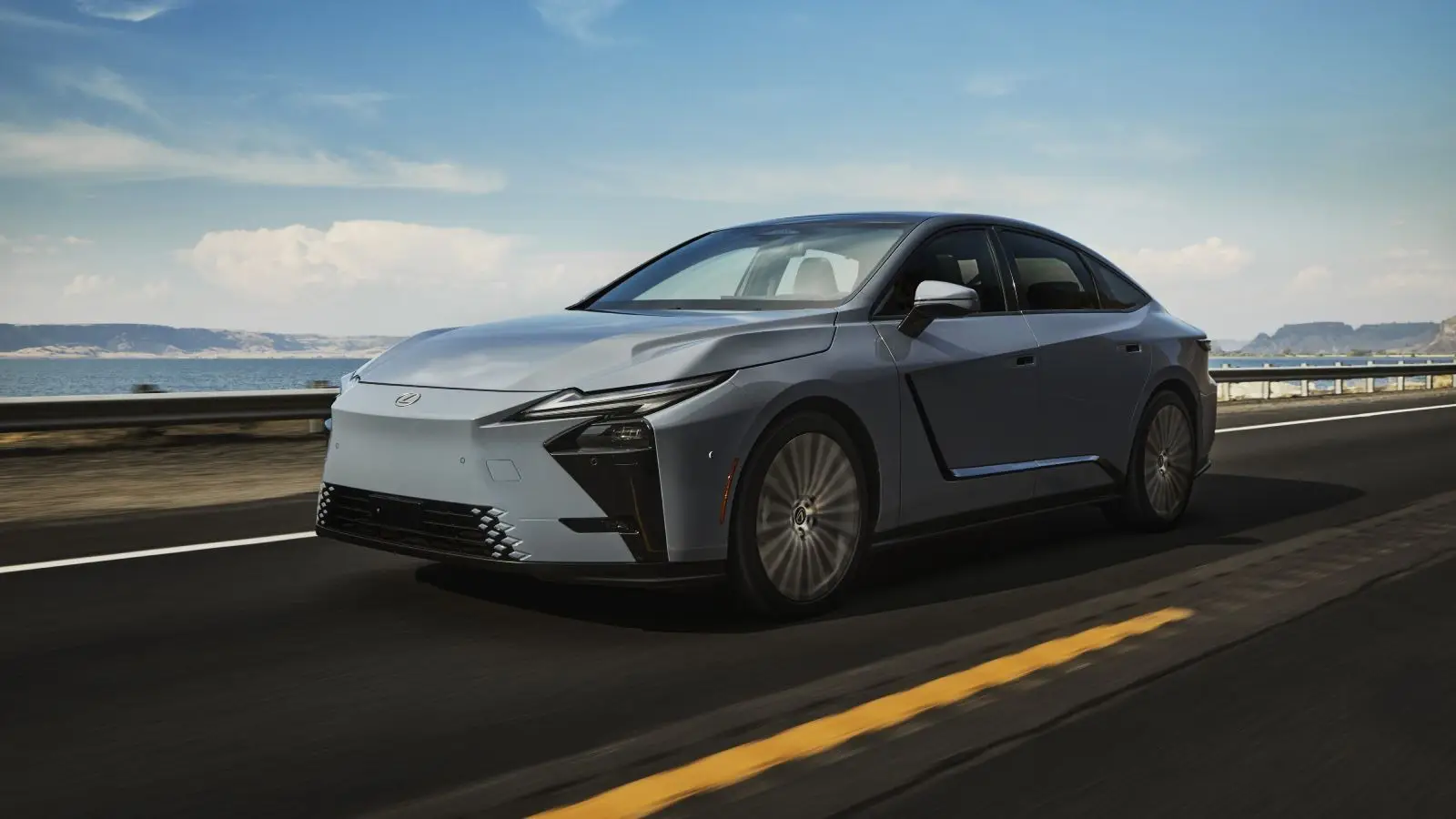
The exterior design evolves as well, drawing inspiration from the LF-ZC concept. Smoother surfaces, distinctive LED lighting, and a reinterpreted spindle theme define the look. Electric versions feature a cleaner front end with minimal openings, contributing to a drag coefficient of 0.25.
Inside, the focus shifts toward a more digital experience. A 14-inch touchscreen is paired with a 12.3-inch driver display, running the latest Lexus Interface system. It supports over-the-air updates, wireless connectivity, and dual smartphone pairing, alongside integrated streaming services.
The DIRECT4 system plays a key role in driving dynamics. It actively distributes torque between the front and rear axles—from 100:0 to 0:100—enhancing stability, traction, and acceleration smoothness.
Charging infrastructure also evolves. The ES adopts the NACS standard, expanding compatibility with a large number of public charging stations, while an adapter ensures CCS support. Features such as Plug & Charge and battery preconditioning further streamline daily use.
Safety technology has been upgraded as well. The model debuts Lexus Safety System+ 4.0, introducing enhanced driver assistance features including emergency steering assist, intersection support, traffic jam assist, and automated lane changes.
In the competitive landscape, the ES will face electric sedans like the BMW i5 and Mercedes-Benz EQE. While some rivals offer higher peak figures, Lexus emphasizes comfort, refinement, and a balanced driving experience.
The introduction of an electric ES aligns with the broader Lexus Electrified strategy. Rather than abandoning hybrids, the brand expands its lineup, adapting to different markets and infrastructures while gradually advancing toward electrification.
Mark Havelin
2026, Mar 19 20:09