
Audi RS 5 debuts with hybrid system and torque vectoring
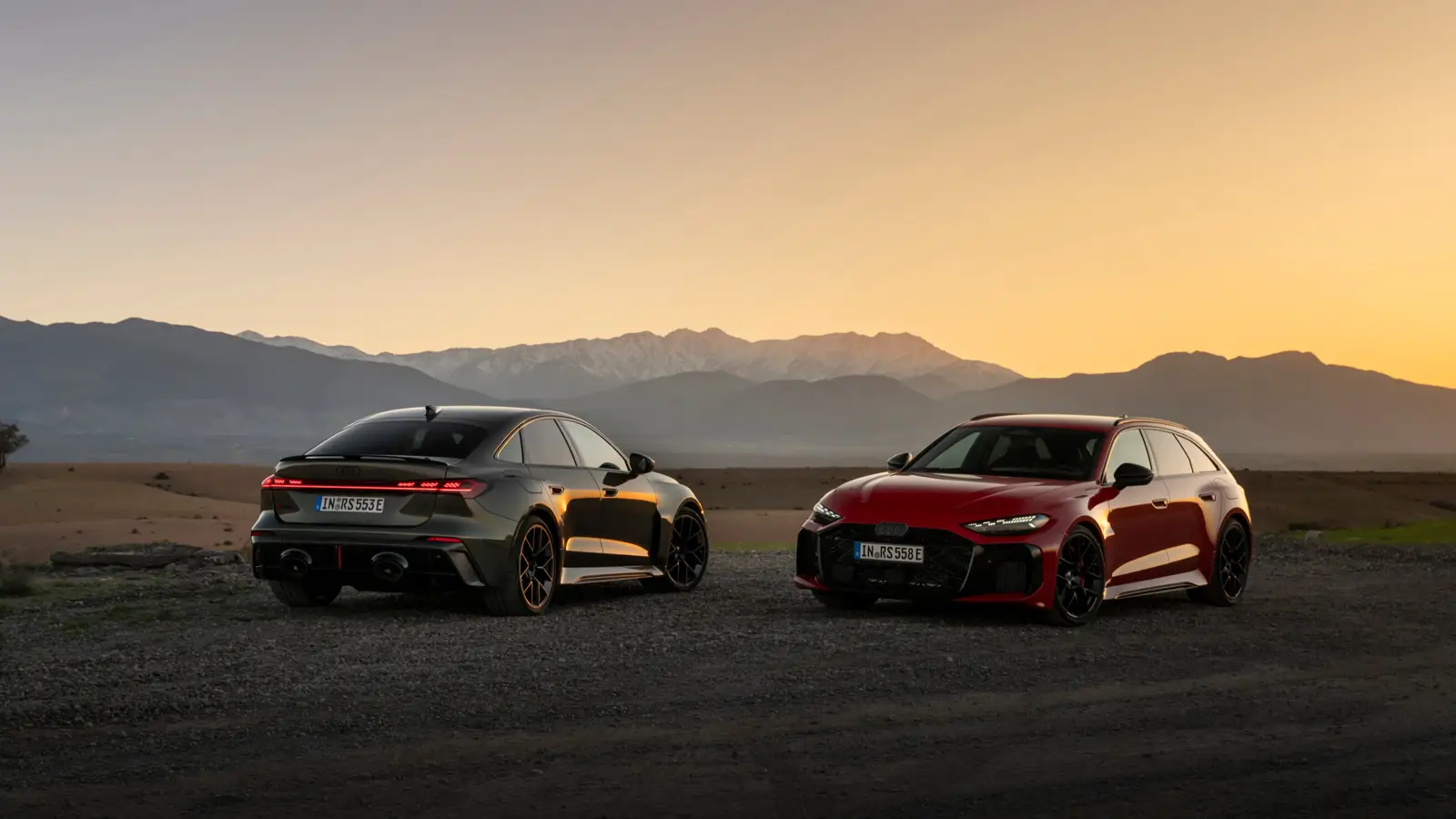
Audi presents the new RS 5 with a plug-in hybrid system and Dynamic Torque Control. Learn how electromechanical torque vectoring improves handling and performance.
The new Audi RS 5 introduces electromechanical torque vectoring on the rear axle, capable of redistributing up to 2,000 Nm within just 15 milliseconds. This marks a shift from traditional mechanical solutions to a system where vehicle dynamics are actively managed through electronics.
At its core is a high-performance plug-in hybrid system. A 2.9-liter V6 produces 510 hp, and together with an electric motor, the combined output reaches 639 hp and 825 Nm. Acceleration from 0 to 100 km/h takes 3.6 seconds, while a 25.9 kWh battery enables an electric range of up to 83 km (WLTP). In performance modes, the system maintains a high state of charge to ensure consistent dynamic response.
The key innovation lies in the new rear transaxle. A dedicated high-voltage electric motor (8 kW, 40 Nm) acts as an actuator, controlling torque distribution between the rear wheels. Unlike previous systems—from the sport differential to the RS Torque Splitter—this setup operates independently of engine load and remains active even during coasting or braking.
In practice, this allows the system to continuously adjust vehicle balance. It can increase torque at the inner wheel to counter oversteer or direct more power to the outer wheel to improve stability. Audi emphasizes that these adjustments happen in real time, maintaining precise and predictable handling even at the limits.
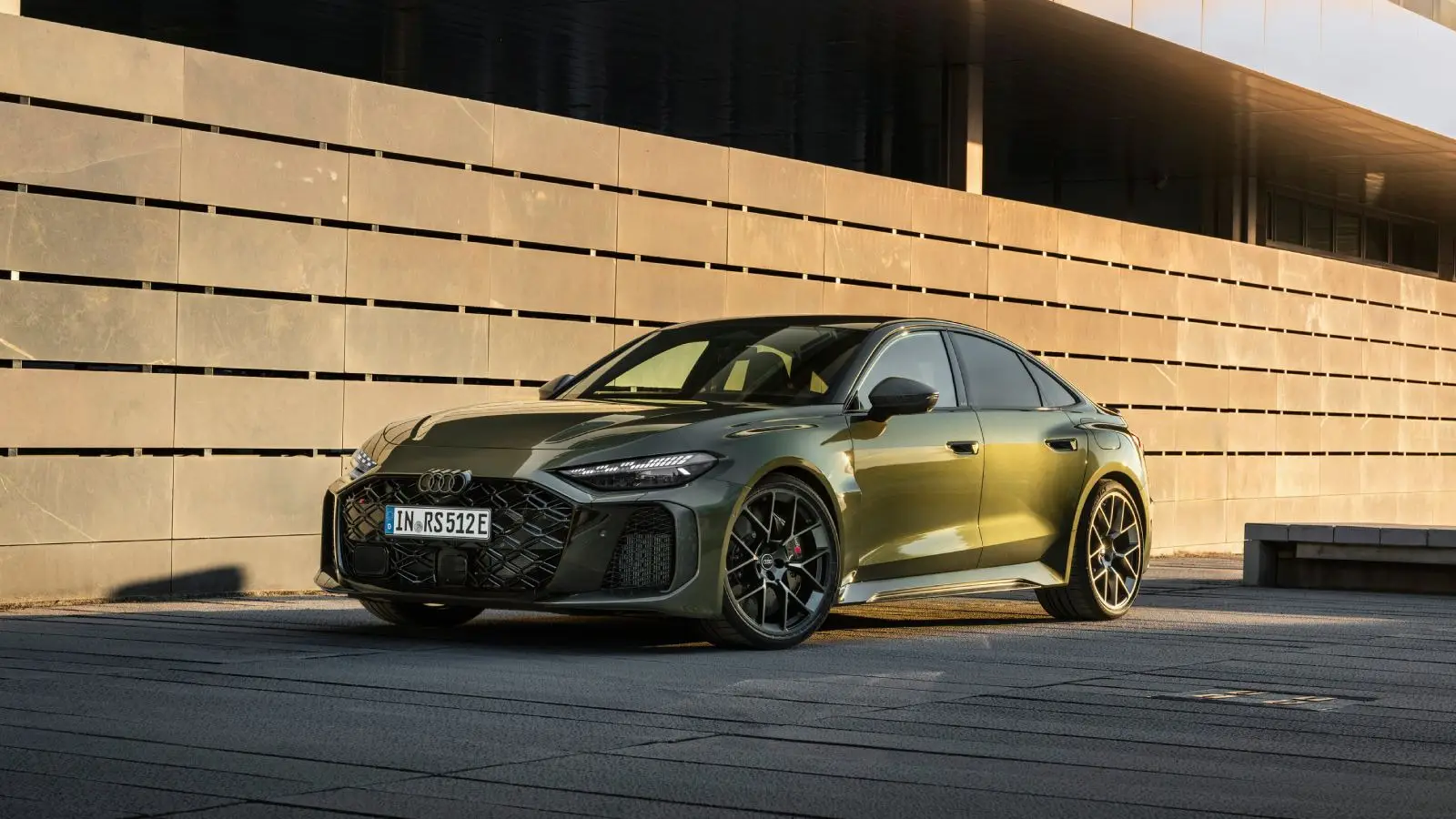
This approach is closely tied to Audi’s broader move toward centralized vehicle electronics. The HCP1 (High-Performance Computing Platform) coordinates drivetrain, suspension, and torque distribution, processing data from the vehicle, environment, and driver inputs to ensure seamless system interaction.
The context highlights the scale of this change. The previous RS 5 relied on a conventional twin-turbo V6 with 450 hp and no hybrid system. The new model not only adds electrification but also introduces a fundamentally different way of controlling dynamics. Competitors are moving in similar directions: Mercedes-AMG already employs a plug-in hybrid layout in the C63, while BMW continues with high-performance combustion setups supported by electronic differentials.
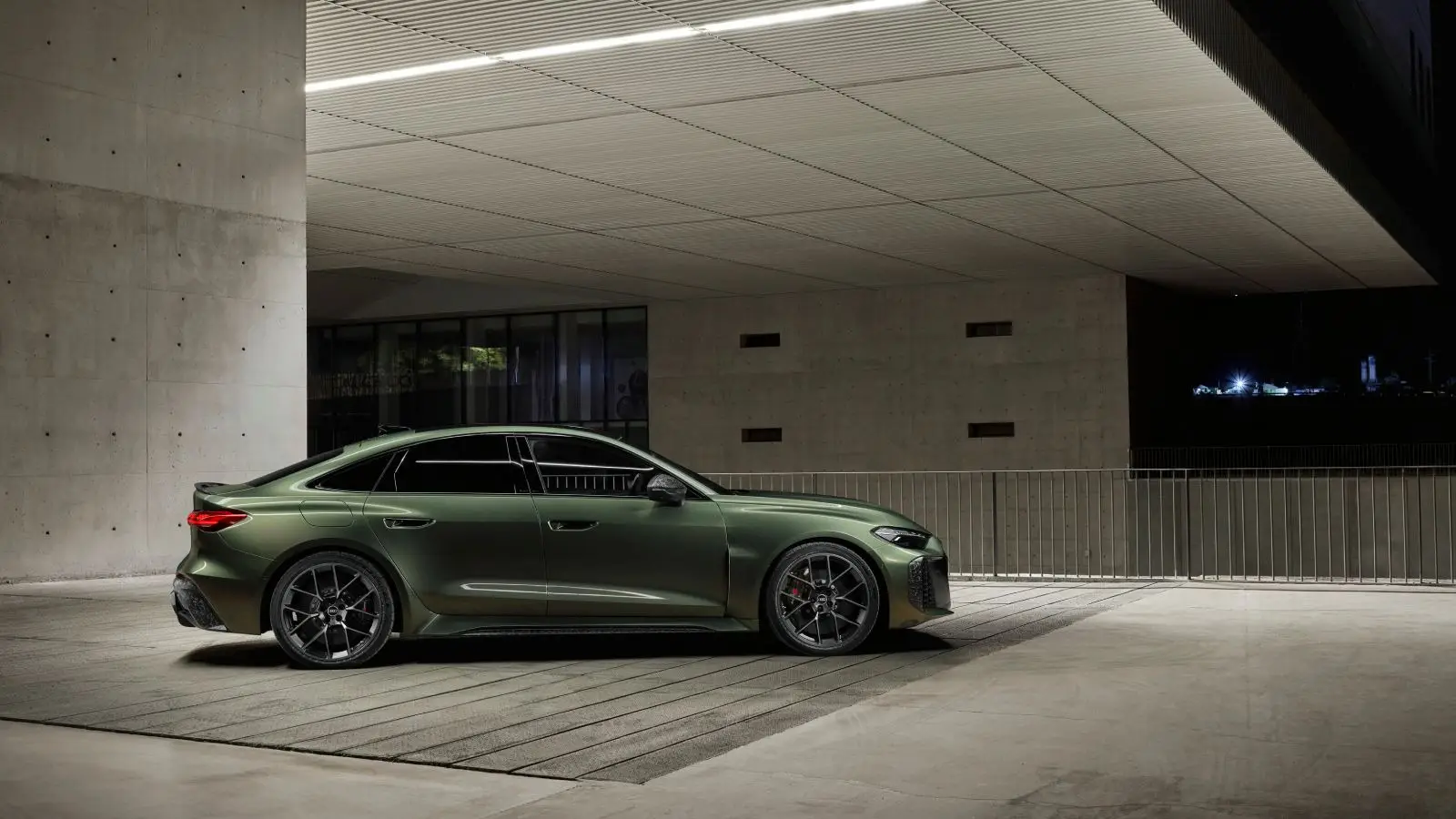
Within this landscape, the RS 5 stands out as a technological step forward. It combines hybrid performance with a new torque control system that effectively replaces earlier mechanical solutions. Audi positions this as part of the ongoing evolution of quattro—from a purely mechanical all-wheel-drive system to one integrated into a digital control architecture.
Based on its design and specifications, systems like this point toward a broader transition in performance engineering, where electromechanical solutions deliver faster, more precise responses than traditional components. The new RS 5 represents Audi Sport’s first production application of this concept.
Mark Havelin
2026, Apr 01 03:24